20 Years, 20 Voices: Hannah Powell
As we celebrate our 20th anniversary, 20 Years, 20 Voices spotlights the people, charities, donors and partners who have helped shape Sussex Community Foundation over the past two decades.
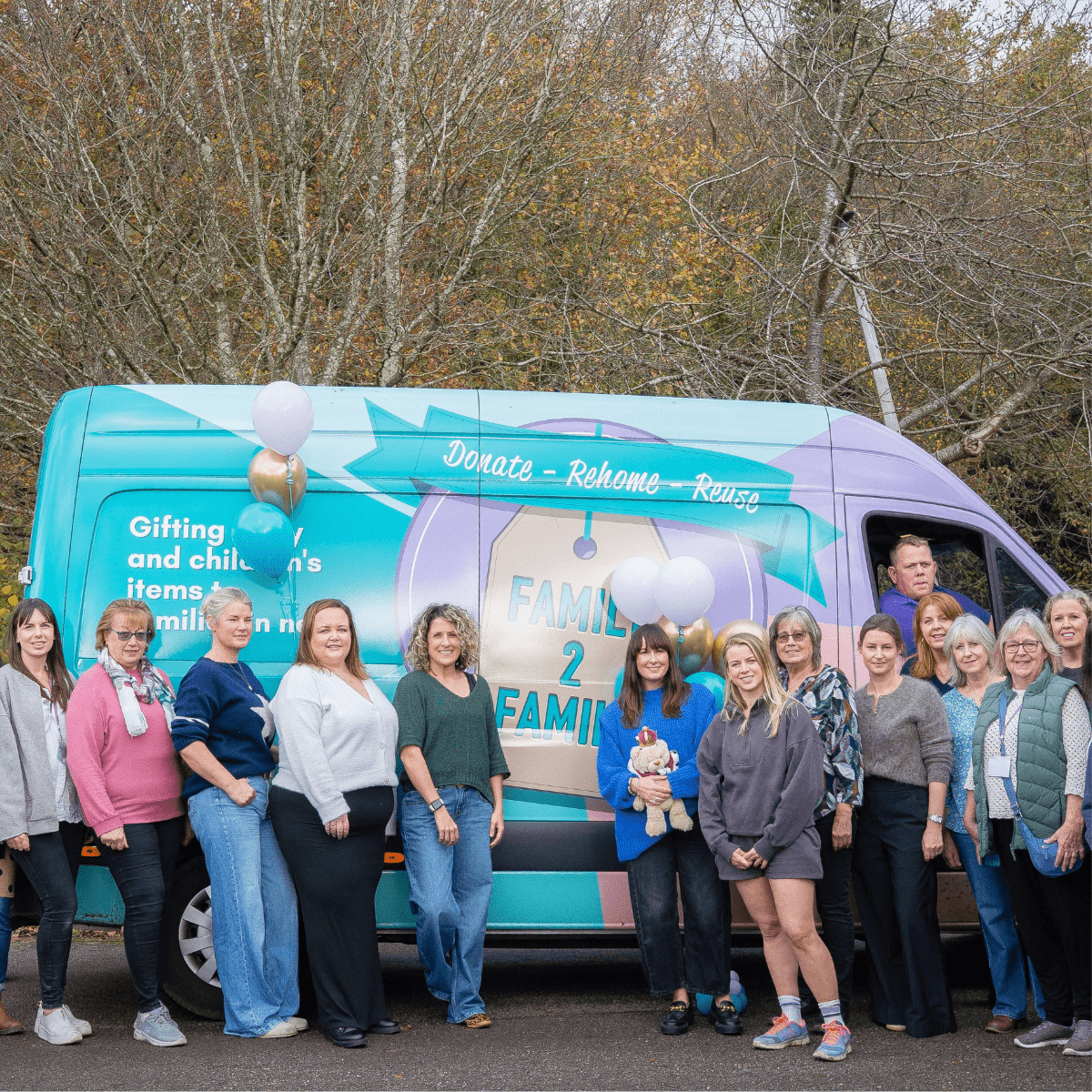
Hannah Powell founded Family2Family in 2018 to ensure children across East Sussex have the clothing and essential items they need. Since receiving its first Sussex Community Foundation grant in the charity's first year, Family2Family has grown from a baby bank run from Hannah's conservatory into a county-wide service, redistributing clothing, equipment and essentials to families through a network of professionals across East Sussex.
Inspired by lived experience
For Hannah, Family2Family grew from both her personal experience and her career as a social worker. She became a mum for the first time at 18 and remembers how much it meant to have family members who could pass on baby clothes and equipment.
"I had a really supportive family," she says. "I have a really vivid memory of my mum's cousin bringing lots of baby things to my parents' house and saying, 'Just take what you need.' I don't really know what I would have done if that hadn't been an option."
Years later, working in Children's Services across East Sussex, she met families facing similar situations but without that support network.
"I saw families experiencing poverty and not having access to the things I'd had access to. That really stayed with me."
When her son was born in 2018, the idea for Family2Family began to take shape.
"I looked around to see if there was somewhere I could pass on the things my baby had outgrown to families who needed them, but there wasn't really anything like that in East Sussex. It just seemed like a logical way to move things from homes where they're no longer needed, to homes where they are."
From a conservatory to a county-wide charity
Family2Family began with donated items stored in Hannah's conservatory before moving into a small room at a local tennis club.
The charity's first grant from Sussex Community Foundation helped pay for their first rented premises, giving them the space needed to grow. From there, demand increased naturally.
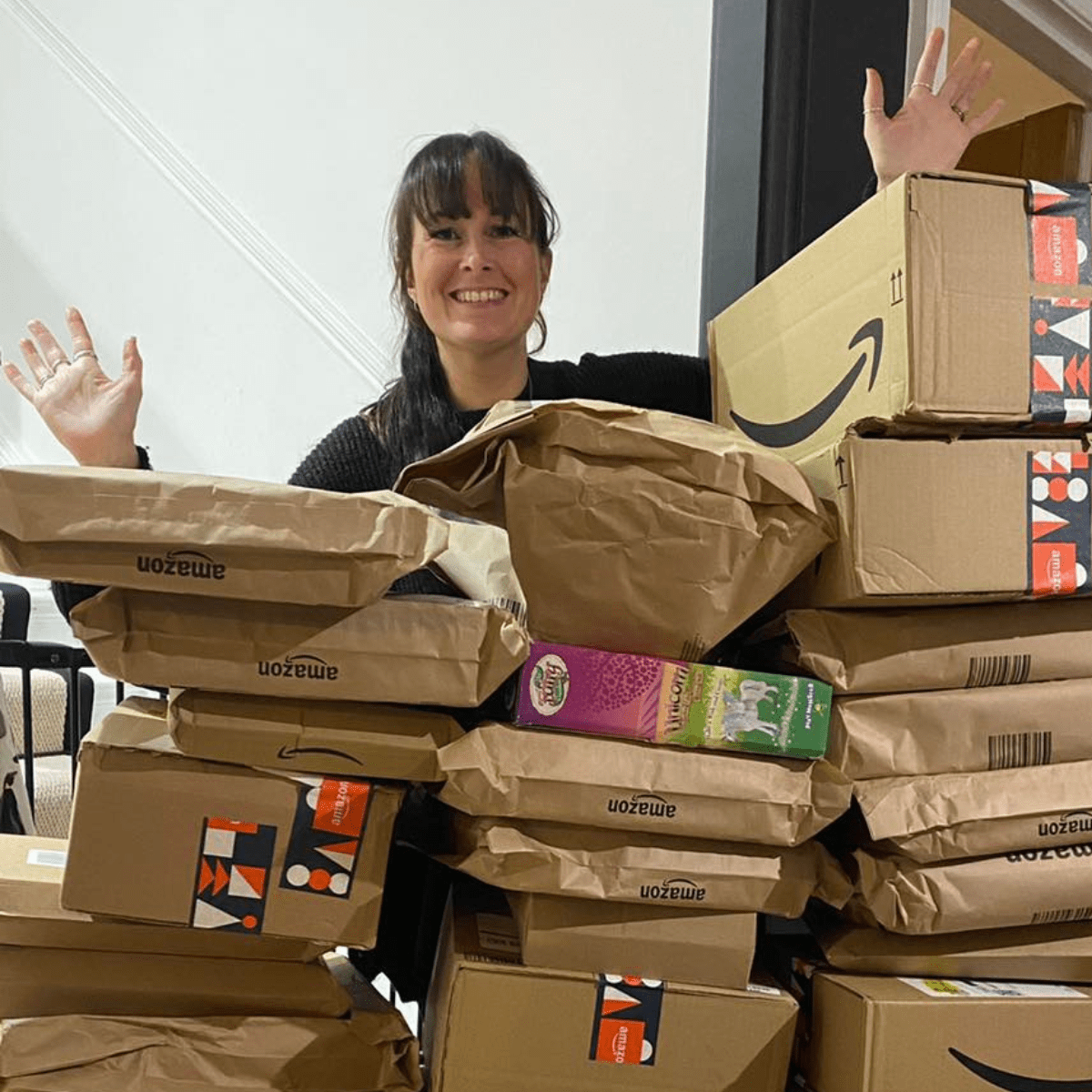
"We didn't need to push it," Hannah says. "People heard about it, they wanted to volunteer, and professionals started referring families to us."
Originally supporting children aged nought to two, the charity soon expanded as professionals asked whether older siblings could be helped too.
Today, Family2Family supports children and young people up to age 16, providing clothing, cots, beds, toys and other essential items through referrals from social workers, health visitors, midwives, schools and other frontline professionals.
Removing the barriers to asking for help
Families don't collect items directly from Family2Family. Instead, professionals deliver them.
For Hannah, that approach is fundamental.
"It removes the barriers around shame or asking for help," she explains. "People don't have to worry about bumping into someone they know or being identified."
But it also strengthens the relationship between families and the professionals supporting them.
"Professionals are often having really difficult conversations with families," she says. "Being able to come back with practical help shows they're doing their bit as well, and that can help build trust."
The impact often reaches much further than providing clothes or equipment. Hannah recalls receiving feedback about one family, where Family2Family formed part of the wider package of support, whose child protection plan was stepped down.
"If that ultimately means a child gets to stay with their family rather than going through court proceedings, that's massive."
Restoring dignity
Although Family2Family redistributes donated items, Hannah is passionate that every family should feel they are receiving a gift, not used items that no one else wants.
"One of the things that's really special about Family2Family is the feeling families have when they use our service," she says. "Our logo is a gift tag because it was always about creating that gifting experience."
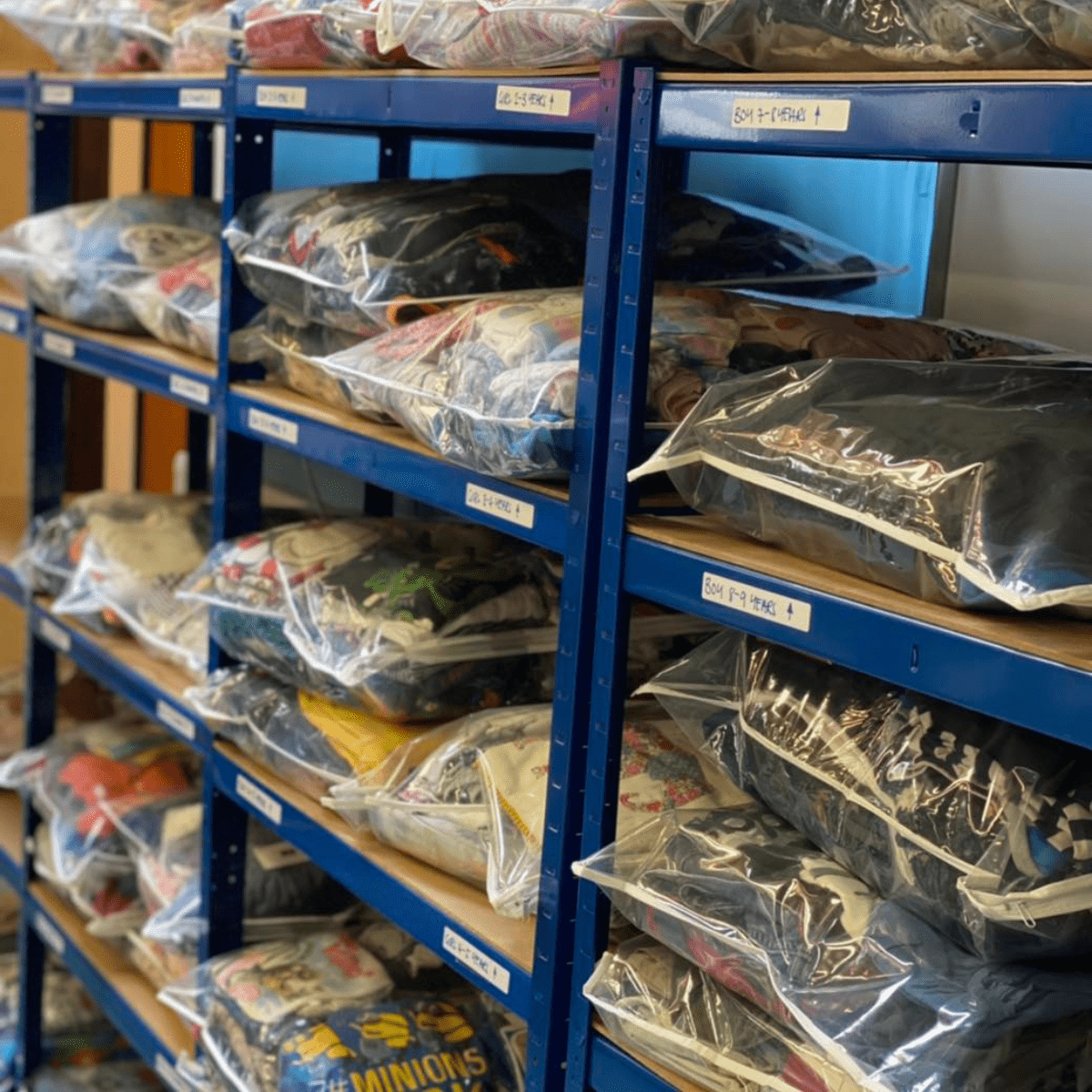
Every cot is carefully checked before being paired with a new mattress. Clothing is washed, folded and packed into reusable bags with stickers saying they have been "packed with love."
"I wanted families to feel they'd done the right thing by asking for help," Hannah explains. "Not that they'd just ended up with things other people didn't want."
She believes these details matter.
"The message is that people are worthy of that kind of time and support."
Growing alongside local need
Since launching, Family2Family has continued to evolve to meet changing needs.
Alongside its core service, the charity now provides new beds for children who would otherwise be sleeping on floors or sofas, and recently launched Family2Family Boutique, making high-quality second-hand baby clothes available to any family, regardless of income, while reducing waste (in exchange for optional donations).
At the same time, Hannah has seen demand increase as families struggle with the cost of living.
"Families are making choices between food, heating and clothes," she says. "We receive referrals for toys and books because there simply isn't any money left after paying for the essentials."
The value of long-term funding
Family2Family has received several grants from Sussex Community Foundation since 2018, supporting everything from premises costs to essential equipment during the pandemic.
For Hannah, flexible funding has been invaluable.
"A charity like this can't run without premises," she says. "Some funders won't cover core costs, but if you don't have the core costs covered, everything else can’t run."
She also values the encouragement that comes with receiving funding.
"When we get a grant, our trustees' WhatsApp group is full of celebrations. It gives you a lift. It feels like an acknowledgement that what you're doing is positive and valued."
Looking ahead
Eight years on, Hannah's ambition is simple.
"It's about making Family2Family a service that's there for as long as it's needed."
As Sussex Community Foundation celebrates its 20th anniversary, she also has a message for the donors and fundholders whose generosity has helped charities like hers grow.
"Please keep it going," she says. "The projects you're supporting really do hold up communities. Go and visit them if you can, because you'll get something from it too. It means a huge amount to the charities, and you can see for yourself the difference your support is making."