Mental Health: The Big Conversation
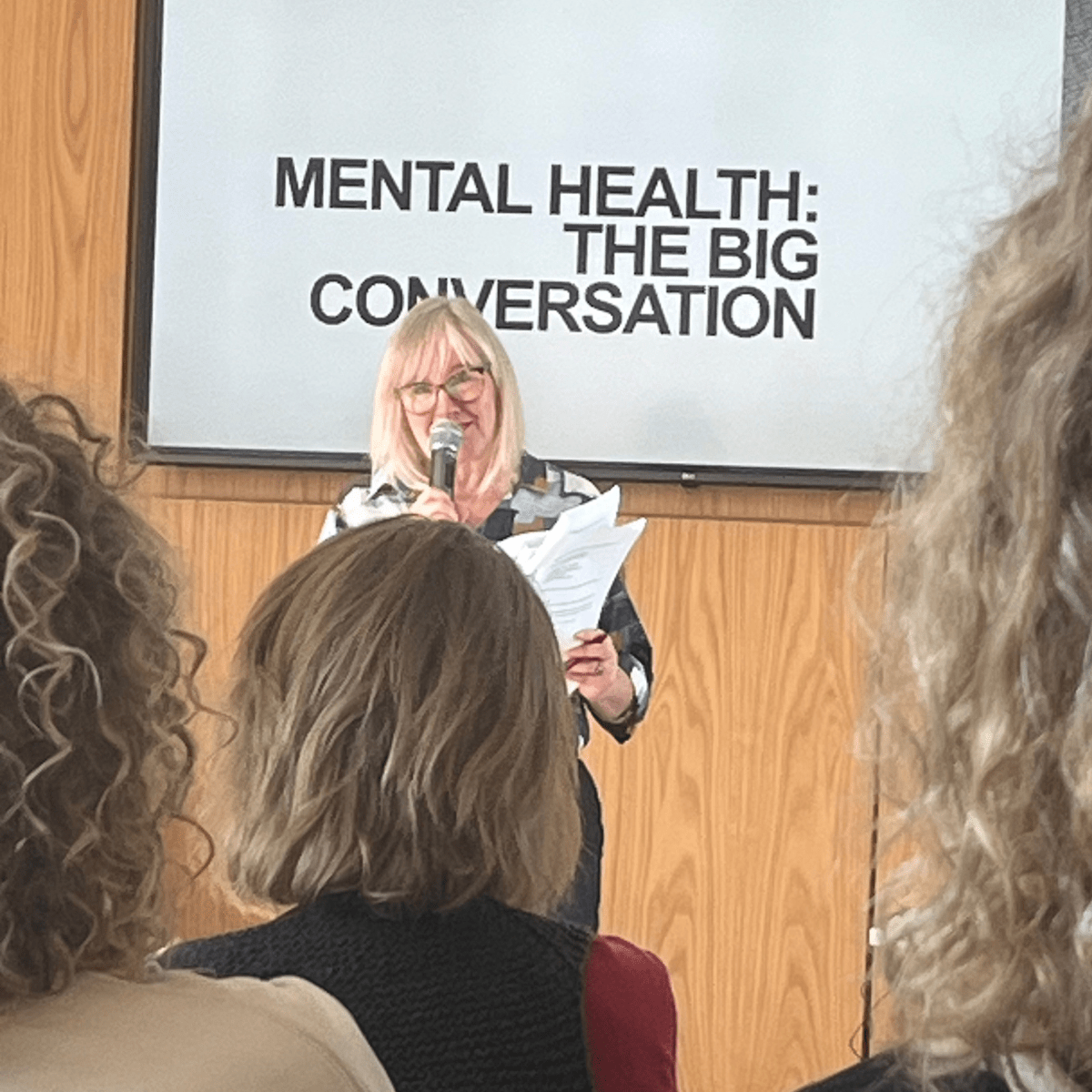
Lucinda Fraser, the outgoing High Sheriff of East Sussex has made mental health one of the central themes of her shrieval year. As the year progressed, one thing became apparent, and that was the lack of opportunities for charities working in this space to come together and share experiences however, The Big Conversation changed that.

On Tuesday 25 March, Lucinda took over the Rye Community Hub and invited charities, funders and stakeholders to spend a morning listening to each other’s stories and swapping contact details. The day was facilitated by Kim Richards from Rother Voluntary Action and Tracy Dighton from Citizens Advice 1066. One of the recurring themes was the impossible situation that many charities find themselves in with increased running costs and soaring demand at a time when statutory funding is being cut and trusts and foundations, like us, are unable to fill the gap.

As part of the agenda there was a panel discussion and one of the important topics explored was the need for us all to be braver about saying no. No is not a word that comes easily to those of us working in the third sector but sometimes we need to use it to protect our own mental health. No to clients demanding constant access. No to funders and commissioners setting impossible targets, and even no to employers and trustees expecting more for less.
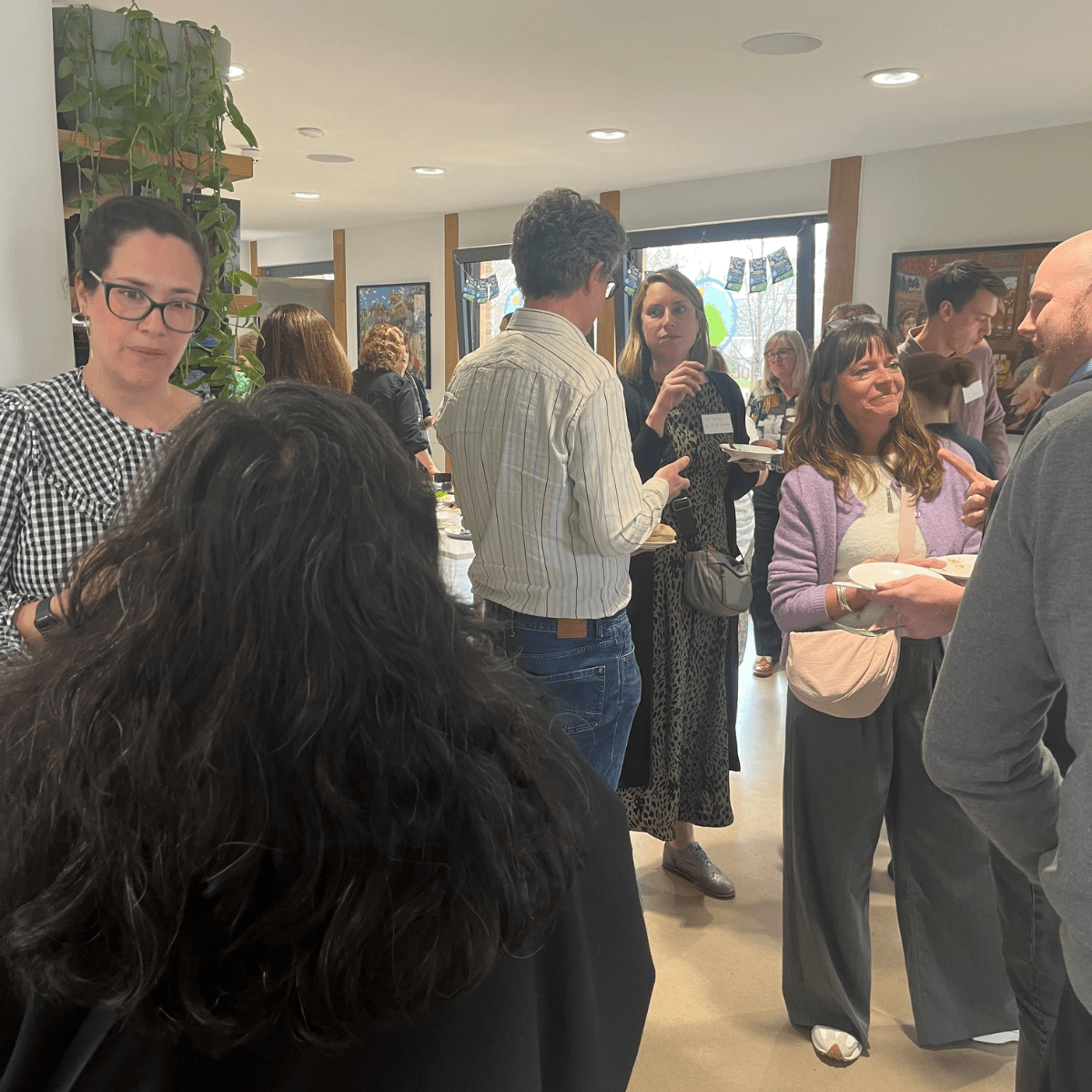
Wellbeing is something we all talk about but with several CEOs in the room all talking about burnout and the need to prioritise their own mental health, it feels like now is the time to pause and reflect on how much we owe the amazing people who run these charities on which we are all so dependent.

Our Improving Health funding priority supports organisations that positively impact local people’s mental health and wellbeing, helping people to live longer, better lives. You can find out more here.  
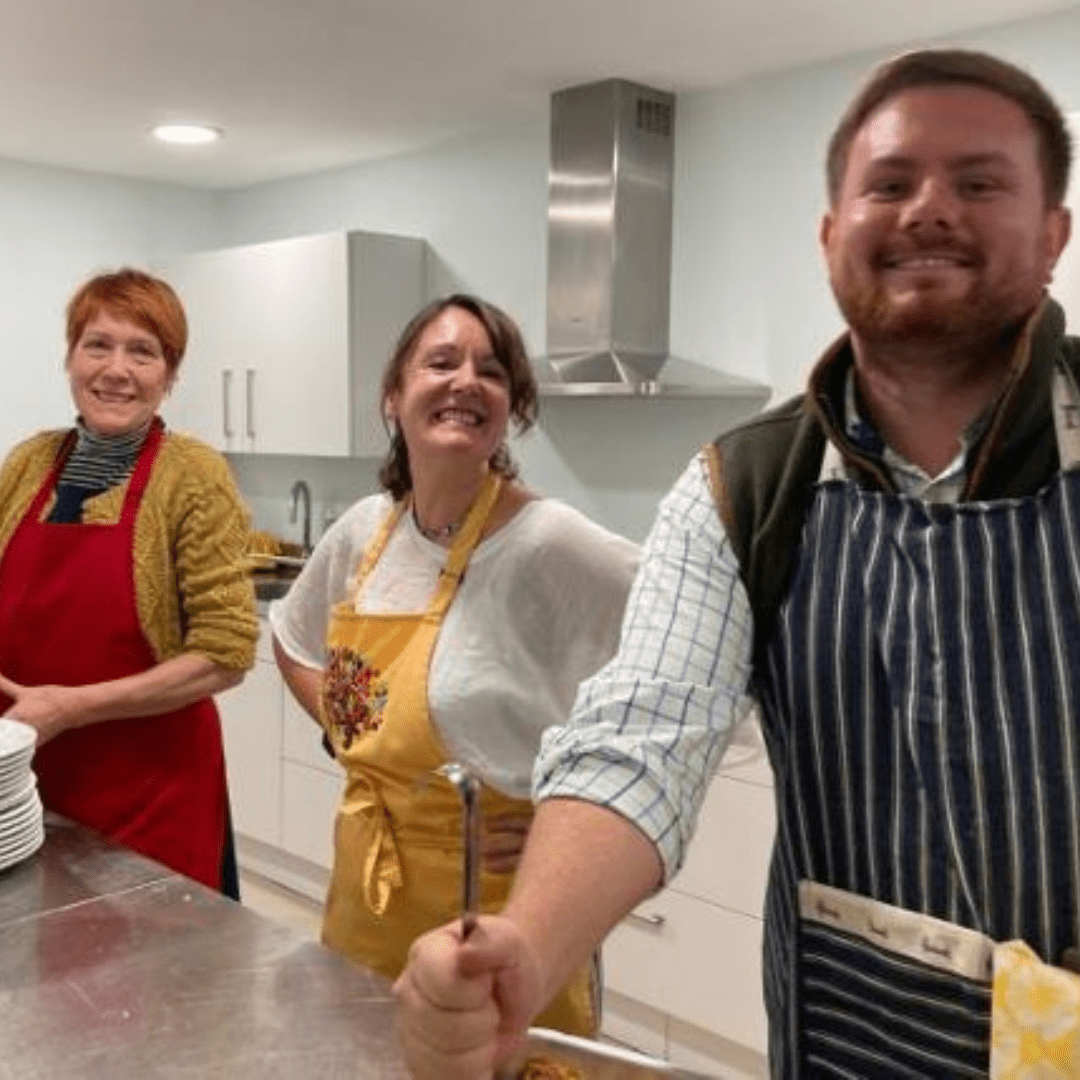
Hands of Hope

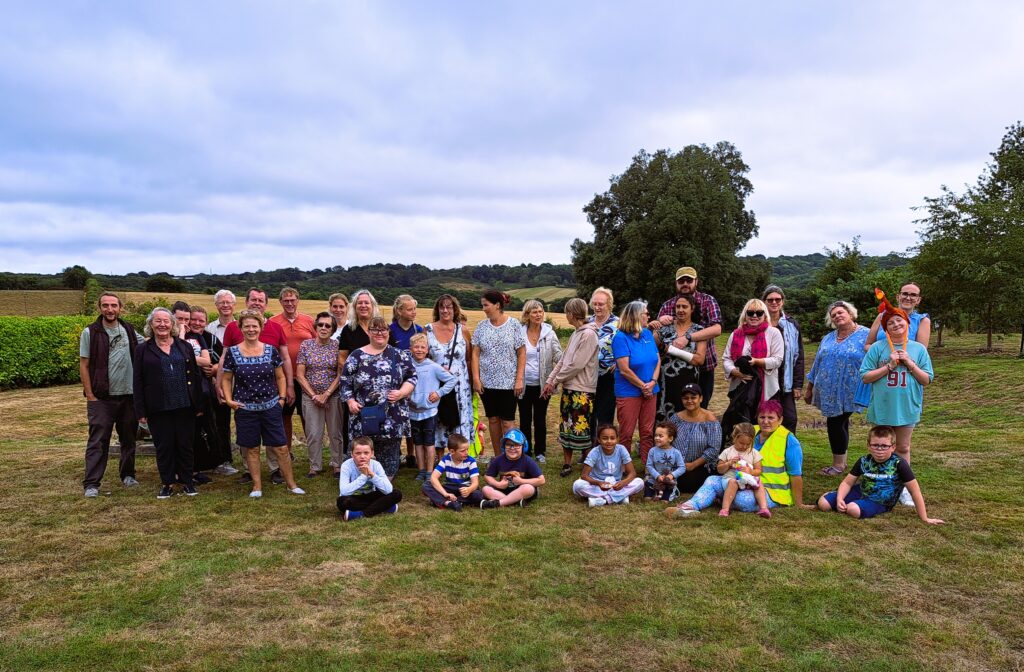
Hands of Hope provide projects that connect people to nature and each other.

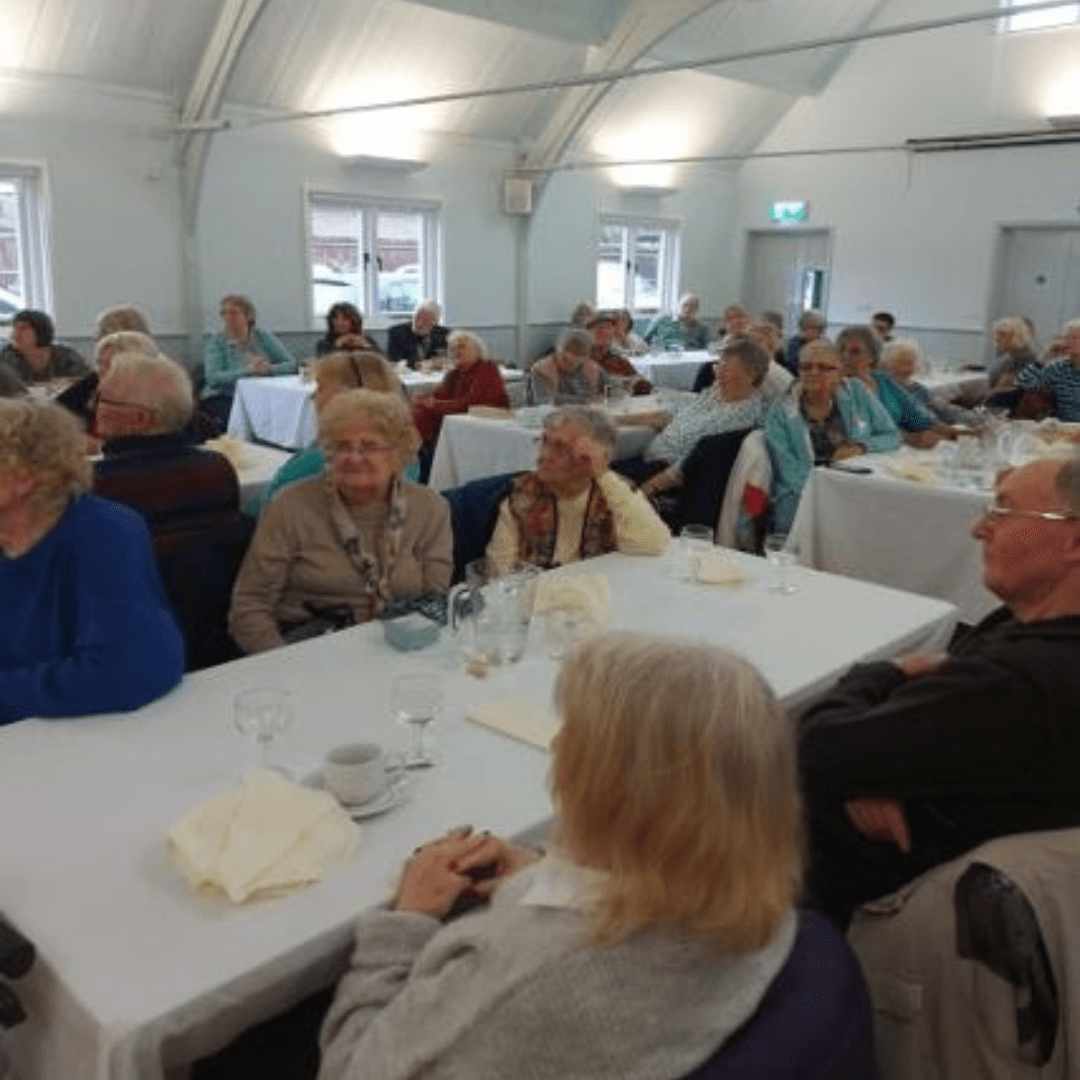
A grant from Sussex Community Foundation funded the group’s Lunch Club, covering the areas of Rye, Peasmarsh, Northiam, Beckley and Winchelsea. These rural areas can increase the social isolation felt by older residents, leading to poor health, loss of independence and a lower quality of life.

The Lunch Club provides a morning of fun, friendship and catching up followed by a delicious and nutritious two-course lunch and an afternoon of entertainment. For many members the club is their only source of social interaction.

“I have been involved with Hands of Hope since 2018, volunteering initially at Peasmarsh Lunch Club and then taking on more activities, which keeps me active. Community social projects are extremely important not just for older members who attend the Club, but just as much for the volunteers who help deliver these projects."

M, volunteer at Hands of Hope – aged 78

Family Support Work

Family Support Work (FSW) helps vulnerable families experiencing multiple challenges to access appropriate services, develop coping strategies and build their confidence. Working in rural and seaside towns in Sussex, they provide drop-in services, support groups and family activities.

L’s story

L who suffers with anxiety had recently moved to the area with her two young sons. Three weeks after moving her father suddenly died. She was overwhelmed and found it hard to keep on top of the paperwork and financial aspects of managing the move – which had triggered her moving onto Universal Credit and a month without benefit payments.

L is a carer for her older son who has autism. When she contacted us, she was distressed about not managing her finances and was feeling isolated in her new home. Gill, FSW Family Support Practitioner for Rye, worked with L to organise her bills, finances and put together a budget. Some money from the Winter Fuel campaign helped ensure L didn’t get into debt whilst adjusting to the lack of benefit payments.

Gill also took L to some local toddler groups, where she started to meet other parents and make social connections. L still finds the loss of her father difficult, and appreciates having space to talk about him, her memories and how she is coping.

L’s younger son has some developmental delay with his speech and is showing some indication of being autistic. Gill is supporting L to work with her Health Visitor to ensure this is being closely monitored so that he receives the correct support as he starts nursery. L’s son plays differently to other children and therefore other parents can often think he is being naughty or about to hurt another child when he isn’t. Gill is also supporting L to manage her anxiety around his behaviour, so that she can support him in social situations rather than avoid going due to feeling judged by other parents. Helping L feel confident to access services in the local community and reduce her isolation is a key aim for Gill as this will help her cope better.

Find out more about Family Support Works:

www.familysupportwork.org