20 Years, 20 Voices: Hannah Delmar-Addy

20 Years, 20 Voices celebrates the people, charities, donors and partners who have helped shape Sussex Community Foundation over the past two decades.

Hannah Delmar-Addy is the Outreach and Training Manager at Reaching Families, which received its very first grant from any funder from Sussex Community Foundation, of £750 in 2008. Since then, the charity has grown from running parent workshops in Worthing to supporting families across West Sussex through providing support groups, befriending, information, training, and benefits advice.
Reaching Families

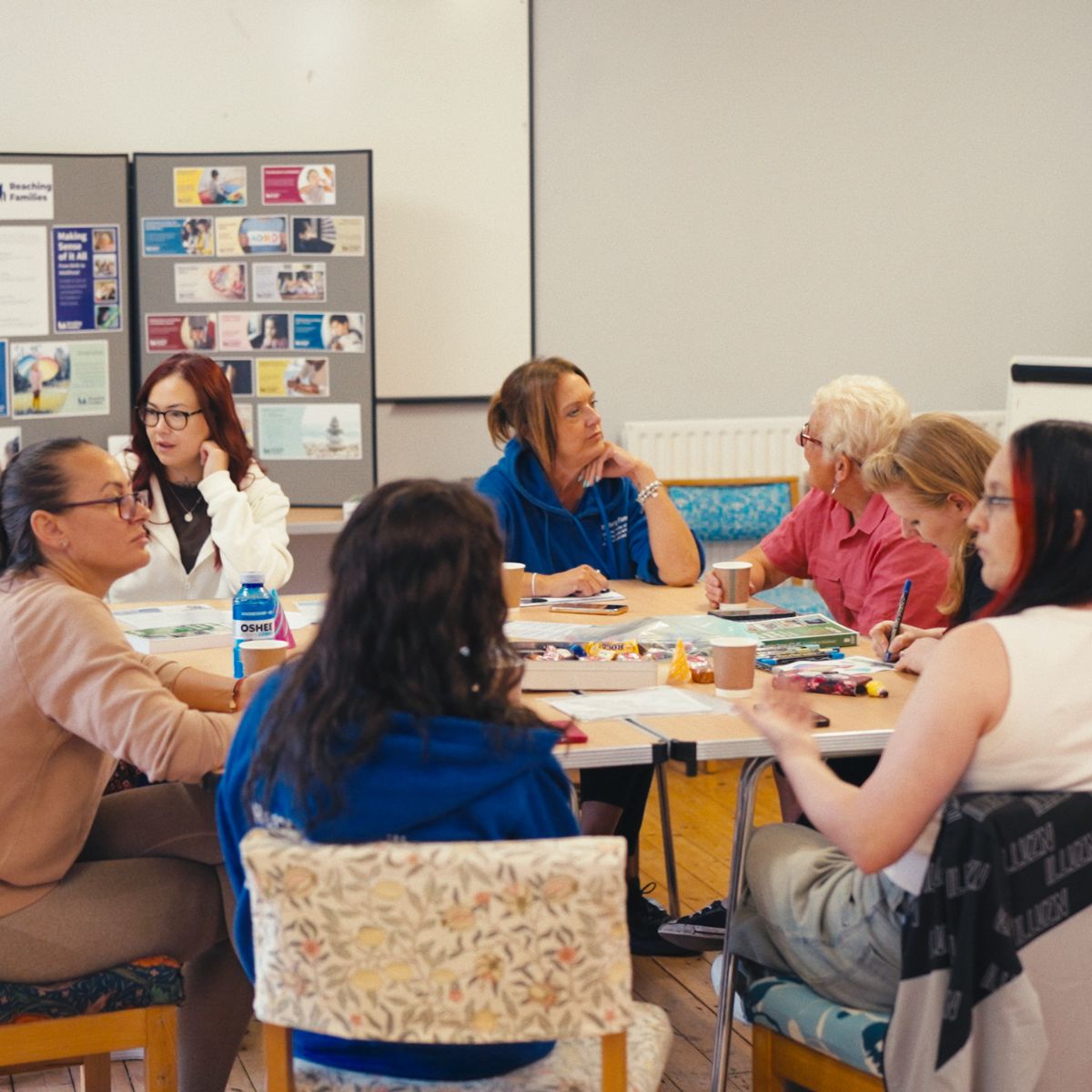
Reaching Families is a peer led charity supporting families of children and young people with special educational needs and disabilities (SEND) in West Sussex. For Outreach and Training Manager Hannah Delmar-Addy, this mission is deeply personal and lived across the whole organisation.

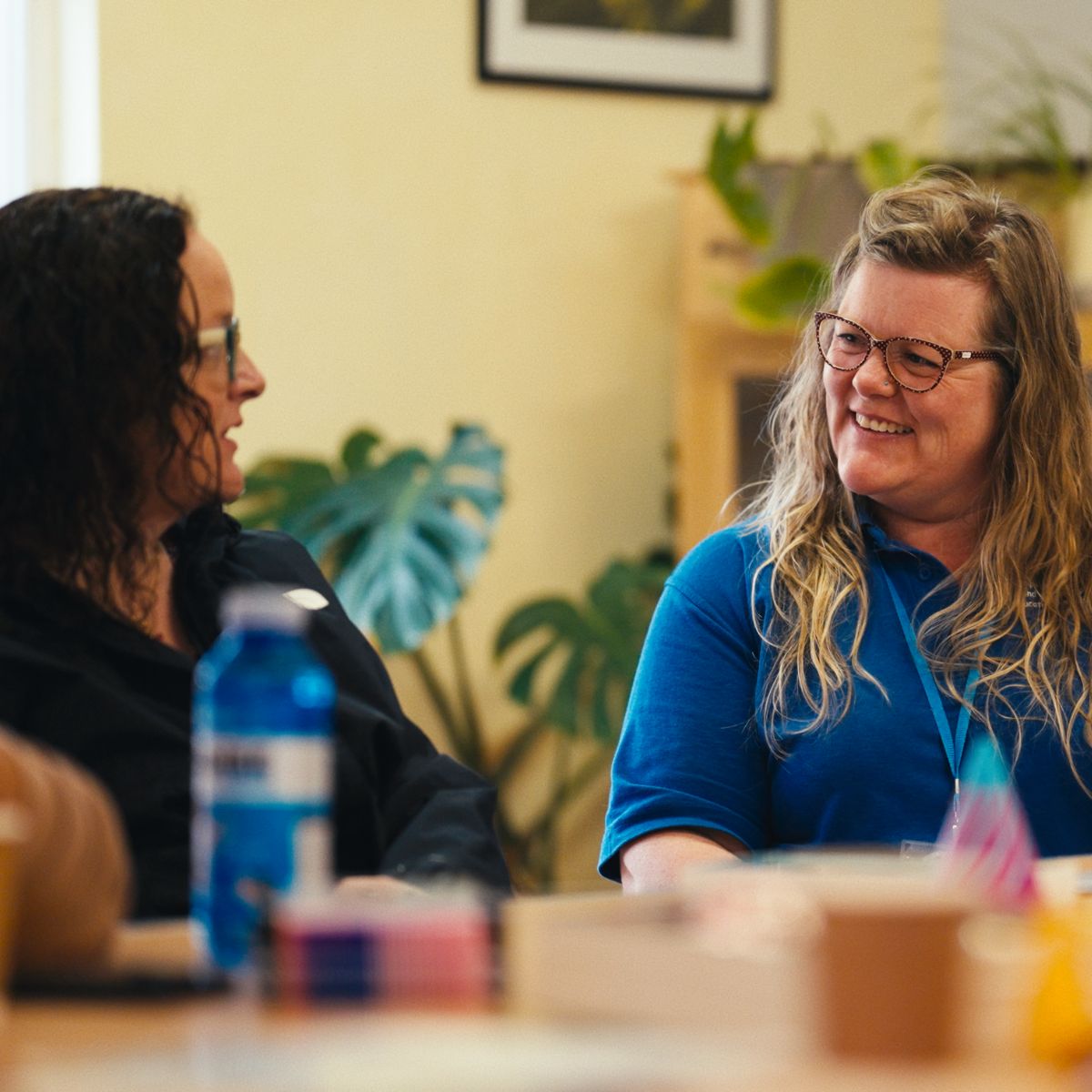
“Everyone that works within the team has lived experience in some way, with most members of staff being parent carers themselves,” she explains. “We live and breathe it every day. There’s a real awareness and understanding of what it’s like to be a parent carer, and that shapes how we support families who come through the door.”

Hannah has been with Reaching Families for over seven years and leads on their Umbrella support groups and the organisation’s training programme for parents and carers, much of which is delivered online. She also heads up the team supporting families whose children are on the NHS pathway for ADHD and Autism assessment, providing vital “while you wait” support during what can often be a long and uncertain process.

Building understanding through training and support

A key part of support is helping families move from confusion and isolation to confidence and connection.

“One of the things we offer is our foundation course,” says Hannah. “It gives parents foundational knowledge about what they might need to know on their journey. We realised there was so much information out there that it could feel overwhelming, so we created something more accessible.”

Delivered over two days or a series of evenings, the course helps parents understand key processes such as Education, Health and Care Plans and assessment pathways, while also creating space to meet others in similar situations.

“What we see is families building networks of support,” Hannah explains. “They connect with people who understand their lived experience. That becomes just as important as the information they’re receiving.”

Those connections often last well beyond the course itself, forming informal support systems that parents can turn to each day.

“That’s really important,” she adds. “Because we might see families at a group once a month, but life is happening every day in between. It’s about building that wider circle of support.”
The challenges families face

The need for that support is significant. Families often arrive feeling overwhelmed, unsure where to turn, and uncertain which information they can trust.

“It varies for every family, but a large percentage feel overwhelmed,” Hannah says. “They don’t know where to turn or what information to trust. We’re very much that first point of contact – helping them navigate what’s out there and signposting them to support they can rely on.”

Growth, adaptation and new services

Since Hannah joined the organisation, Reaching Families has grown significantly. What began with just three local support groups now includes six in-person groups across West Sussex, alongside a growing online offer that has made services more accessible for working parents and families who cannot travel.

Like many organisations, the pandemic accelerated that shift.

“Covid pushed us to move online very quickly,” she says. “But it actually showed us how accessible that could be. Parents don’t have to worry about school runs or travel – they can access support in a way that fits their lives. So we kept it.”

Alongside this growth, the charity has developed new services including an ND (Neurodevelopmental) navigation service for families waiting for diagnosis, and a benefits advice service that has helped families access significant financial support.

“Last year, we helped raise about £3.2 million for families through supporting them to access benefits like DLA, PIP and Carer’s Allowance,” Hannah explains. “That comes from one-to-one support and making sure applications are as strong as they can be before submission.”

The importance of funding and partnership

Funding, she says, is essential.

“If we didn’t have funding, we wouldn’t be here. We offer all our services to families for free, and that's incredibly important because many are on low incomes. Funding allows us to expand our reach and make sure support is accessible to those who need it most."

Sussex Community Foundation has been part of that journey from the very beginning.

“Sussex Community Foundation has been alongside us right from the concept of Reaching Families through to where we are today.” says Hannah. “Without them, it wouldn’t be possible to do what we do. Fundraising has become increasingly challenging over the years, particularly with the impact of local government cuts and growing competition for funding. That makes the Foundation’s continued support even more valuable, giving us the confidence and stability to keep helping families when they need us most.”

What keeps the work going

Asked what keeps her going in such emotionally demanding work, Hannah is honest about the challenges.

“The hardest part is that we can’t fix everything,” she says. “There’s always more need than we can meet, and that can feel overwhelming. You meet families later in their journey and think, ‘we wish we’d known of you sooner.’”

But it’s the moments of connection that stay with her.

“Recently, a parent in our support group felt really isolated and braved coming back after a couple of years. They came through the doors feeling really vulnerable and just didn't feel like they fitted anywhere. They connected with another parent and agreed to meet outside of the group. For that one person, now their world feels like things are more possible”

Looking ahead

Looking ahead, Hannah hopes the organisation will continue to evolve with the needs of families.

“I’m so proud to be part of a charity that makes such a difference,” she says. “We just want to keep listening, keep adapting, and keep finding ways to meet need as it changes. If we can do that, we’ll be doing our job.”
20 Years, 20 Voices: Hannah Powell

As we celebrate our 20th anniversary, 20 Years, 20 Voices spotlights the people, charities, donors and partners who have helped shape Sussex Community Foundation over the past two decades.

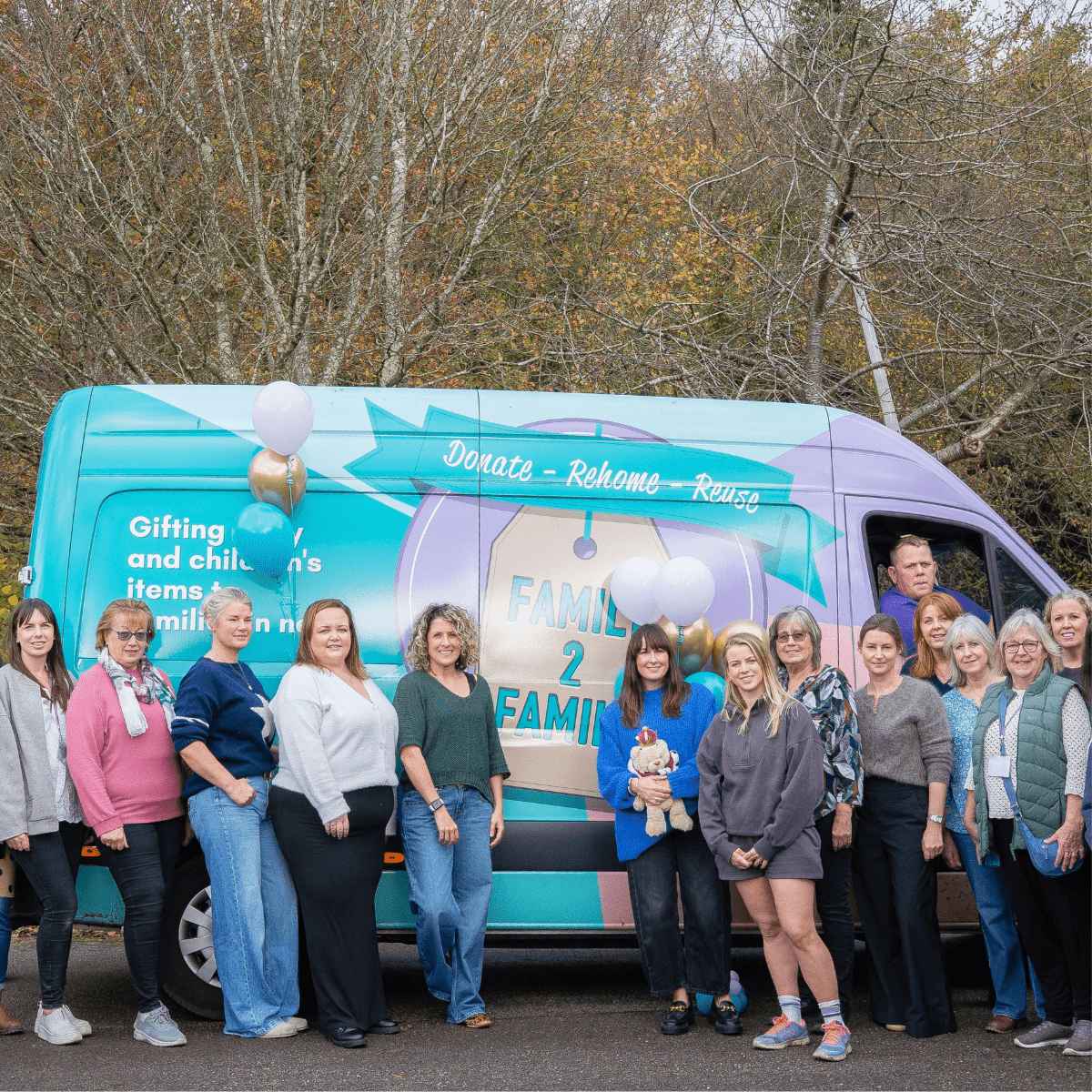
Hannah Powell founded Family2Family in 2018 to ensure children across East Sussex have the clothing and essential items they need. Since receiving its first Sussex Community Foundation grant in the charity's first year, Family2Family has grown from a baby bank run from Hannah's conservatory into a county-wide service, redistributing clothing, equipment and essentials to families through a network of professionals across East Sussex.

Inspired by lived experience

For Hannah, Family2Family grew from both her personal experience and her career as a social worker. She became a mum for the first time at 18 and remembers how much it meant to have family members who could pass on baby clothes and equipment.

"I had a really supportive family," she says. "I have a really vivid memory of my mum's cousin bringing lots of baby things to my parents' house and saying, 'Just take what you need.' I don't really know what I would have done if that hadn't been an option."

Years later, working in Children's Services across East Sussex, she met families facing similar situations but without that support network.

"I saw families experiencing poverty and not having access to the things I'd had access to. That really stayed with me."

When her son was born in 2018, the idea for Family2Family began to take shape.

"I looked around to see if there was somewhere I could pass on the things my baby had outgrown to families who needed them, but there wasn't really anything like that in East Sussex. It just seemed like a logical way to move things from homes where they're no longer needed, to homes where they are."

From a conservatory to a county-wide charity

Family2Family began with donated items stored in Hannah's conservatory before moving into a small room at a local tennis club.

The charity's first grant from Sussex Community Foundation helped pay for their first rented premises, giving them the space needed to grow. From there, demand increased naturally.

"We didn't need to push it," Hannah says. "People heard about it, they wanted to volunteer, and professionals started referring families to us."

Originally supporting children aged nought to two, the charity soon expanded as professionals asked whether older siblings could be helped too.

Today, Family2Family supports children and young people up to age 16, providing clothing, cots, beds, toys and other essential items through referrals from social workers, health visitors, midwives, schools and other frontline professionals.

Removing the barriers to asking for help

Families don't collect items directly from Family2Family. Instead, professionals deliver them.

For Hannah, that approach is fundamental.

"It removes the barriers around shame or asking for help," she explains. "People don't have to worry about bumping into someone they know or being identified."

But it also strengthens the relationship between families and the professionals supporting them.

"Professionals are often having really difficult conversations with families," she says. "Being able to come back with practical help shows they're doing their bit as well, and that can help build trust."

The impact often reaches much further than providing clothes or equipment. Hannah recalls receiving feedback about one family, where Family2Family formed part of the wider package of support, whose child protection plan was stepped down.

"If that ultimately means a child gets to stay with their family rather than going through court proceedings, that's massive."

Restoring dignity

Although Family2Family redistributes donated items, Hannah is passionate that every family should feel they are receiving a gift, not used items that no one else wants.

"One of the things that's really special about Family2Family is the feeling families have when they use our service," she says. "Our logo is a gift tag because it was always about creating that gifting experience."

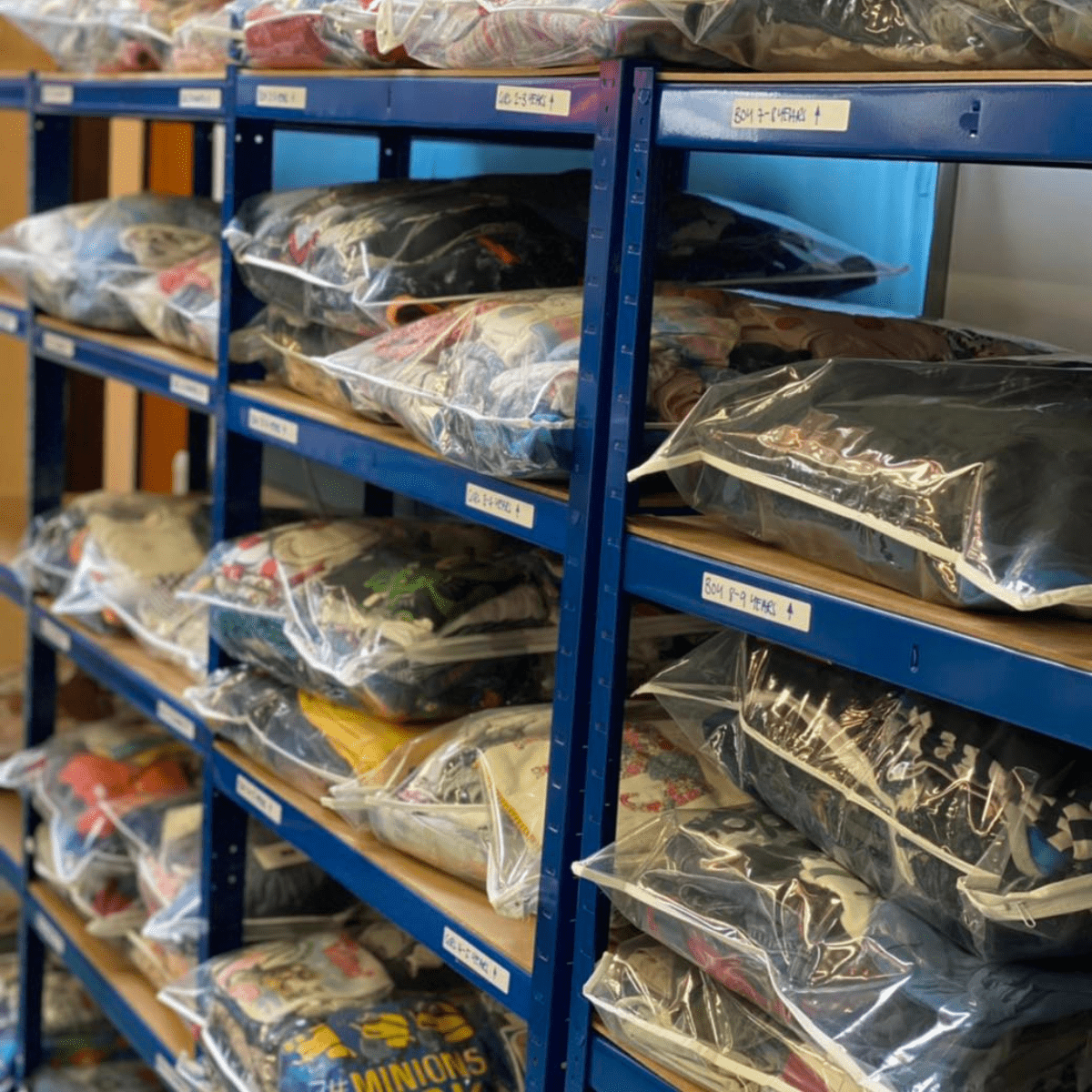
Every cot is carefully checked before being paired with a new mattress. Clothing is washed, folded and packed into reusable bags with stickers saying they have been "packed with love."

"I wanted families to feel they'd done the right thing by asking for help," Hannah explains. "Not that they'd just ended up with things other people didn't want."

She believes these details matter.

"The message is that people are worthy of that kind of time and support."

Growing alongside local need

Since launching, Family2Family has continued to evolve to meet changing needs.

Alongside its core service, the charity now provides new beds for children who would otherwise be sleeping on floors or sofas, and recently launched Family2Family Boutique, making high-quality second-hand baby clothes available to any family, regardless of income, while reducing waste (in exchange for optional donations).

At the same time, Hannah has seen demand increase as families struggle with the cost of living.

"Families are making choices between food, heating and clothes," she says. "We receive referrals for toys and books because there simply isn't any money left after paying for the essentials."

The value of long-term funding

Family2Family has received several grants from Sussex Community Foundation since 2018, supporting everything from premises costs to essential equipment during the pandemic.

For Hannah, flexible funding has been invaluable.

"A charity like this can't run without premises," she says. "Some funders won't cover core costs, but if you don't have the core costs covered, everything else can’t run."

She also values the encouragement that comes with receiving funding.

"When we get a grant, our trustees' WhatsApp group is full of celebrations. It gives you a lift. It feels like an acknowledgement that what you're doing is positive and valued."

Looking ahead

Eight years on, Hannah's ambition is simple.

"It's about making Family2Family a service that's there for as long as it's needed."

As Sussex Community Foundation celebrates its 20th anniversary, she also has a message for the donors and fundholders whose generosity has helped charities like hers grow.

"Please keep it going," she says. "The projects you're supporting really do hold up communities. Go and visit them if you can, because you'll get something from it too. It means a huge amount to the charities, and you can see for yourself the difference your support is making."

Why supporting parents is key to improving children’s mental health

My personal journey has been one of resilience and determination. It’s this journey that led me to establish Holding Space, an award-winning East Sussex-based charity that offers parent/carer peer support to families whose children and young people are experiencing mental and/or emotional health difficulties.

The catalyst for creating the charity was the distinct lack of support I faced as a mum dealing with my daughter’s mental health struggles. As a parent, I felt like a failure; I was meant to protect my daughter. Yet, I had no one who could help. I couldn’t share my concerns with friends or colleagues; I felt so alone. Parenting does not come with a bible and we often feel judged. We think everyone else has got it right and are perfect parents!

In 2019, I set up a Facebook page, hoping there was an understanding shoulder to cry on. The response was incredible. Parents started sharing their stories, and it was clear there was a critical gap in support. Holding Space was born out of this need. Almost seven years later, I lead a charity supporting over 1,400 families across Sussex. But the need is clear and continues to grow.

"I wish Holding Space existed when I needed it."

Hansa Raja, Founder of Holding Space 

The vision of Holding Space is a world where no parent feels they have to navigate their child’s mental health journey alone. Our goal is to ensure that every parent and carer across Sussex feels heard, supported, and confident in navigating their children's emotional and mental health challenges.

Our mission is to support and empower parents and ensure that they have the tools and knowledge to support their children. Early intervention is crucial to the mental health of future generations.

The need in Sussex

Across Sussex, over 7,000 children and young people wait for mental health assessments, with the average wait time in East Sussex for an intervention being two to three years. The consequences of this are evident: East Sussex hospital admissions for self-harm during 2023 were significantly worse than the England average and in the 25% worst percentile.  

These challenges are also highlighted in Sussex Community Foundation’s recent Improving Health report, which found that young people in disadvantaged areas of the county are more likely to experience overlapping challenges, including high levels of caring responsibility, disability and mental health need.

The issues we hear from parents are varied, from anxiety and self-harm to waiting for assessments for autism diagnosis or school struggles. The emotional and practical impact is profound; parents feel inadequate and unsupported by statutory services. Many are forced to give up work to care for their child, which impacts family finances.

Supporting the whole family

When parents feel empowered, seen, listened to and connected, they are better able to support their children and look after their own wellbeing. Early intervention and support are crucial and we must do more to support families.

Funding, however, remains a constant challenge. Many charities are facing similar pressures, having to reduce their services or close. The voluntary sector is bridging gaps created by funding cuts and pressure on statutory services. To provide the best support and care for our communities, we need to embrace partnerships and co-production, ensuring that professionals, funders and those with lived experience work collaboratively.

My passion for supporting parents and carers extends to my consultancy, which offers workshops to businesses on “Why Supporting Parents and Carers in the Workplace Matters”. As a single mum, I know firsthand the struggles of balancing work and caregiving. When my daughter was in crisis, I had no choice but to leave my job to support her. This experience highlighted the urgent need for greater employer understanding during personal and family crises.  

Charities like Holding Space exist so that no parent has to face these challenges alone, but meaningful change requires working together. By bridging the gap between lived experience and community support, we have an opportunity to build a Sussex where every parent feels empowered and every child is given the chance to thrive.


Find out more about working with Hansa, the workshops or the charity.

A day in the life of a small charity

Suzanne Procter, Principal at Dementia Singing Experience Sussex, gives us a unique glimpse into their mission as a small charity, what a typical day is like for her and her team, and the difference they're making for those affected by dementia and their carers.

Who are Dementia Singing Experience Sussex (DSES)?

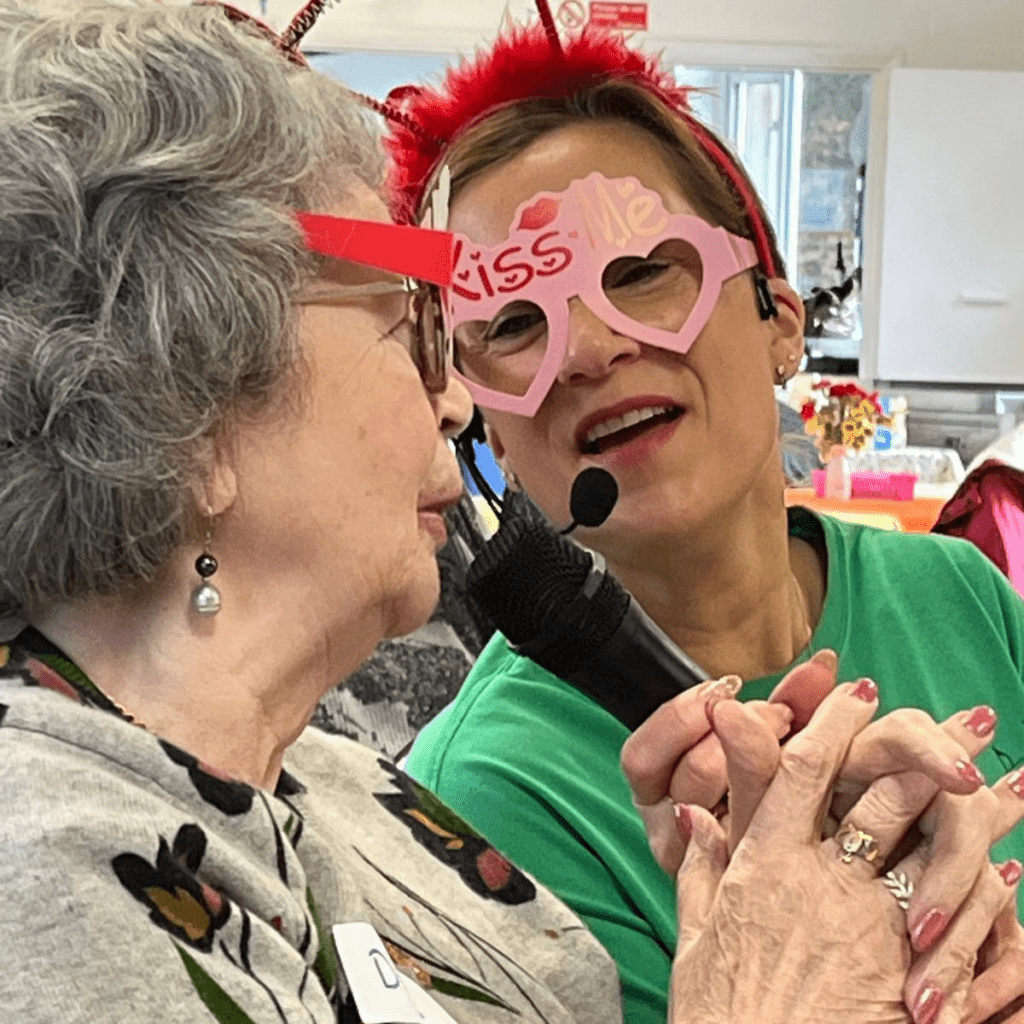
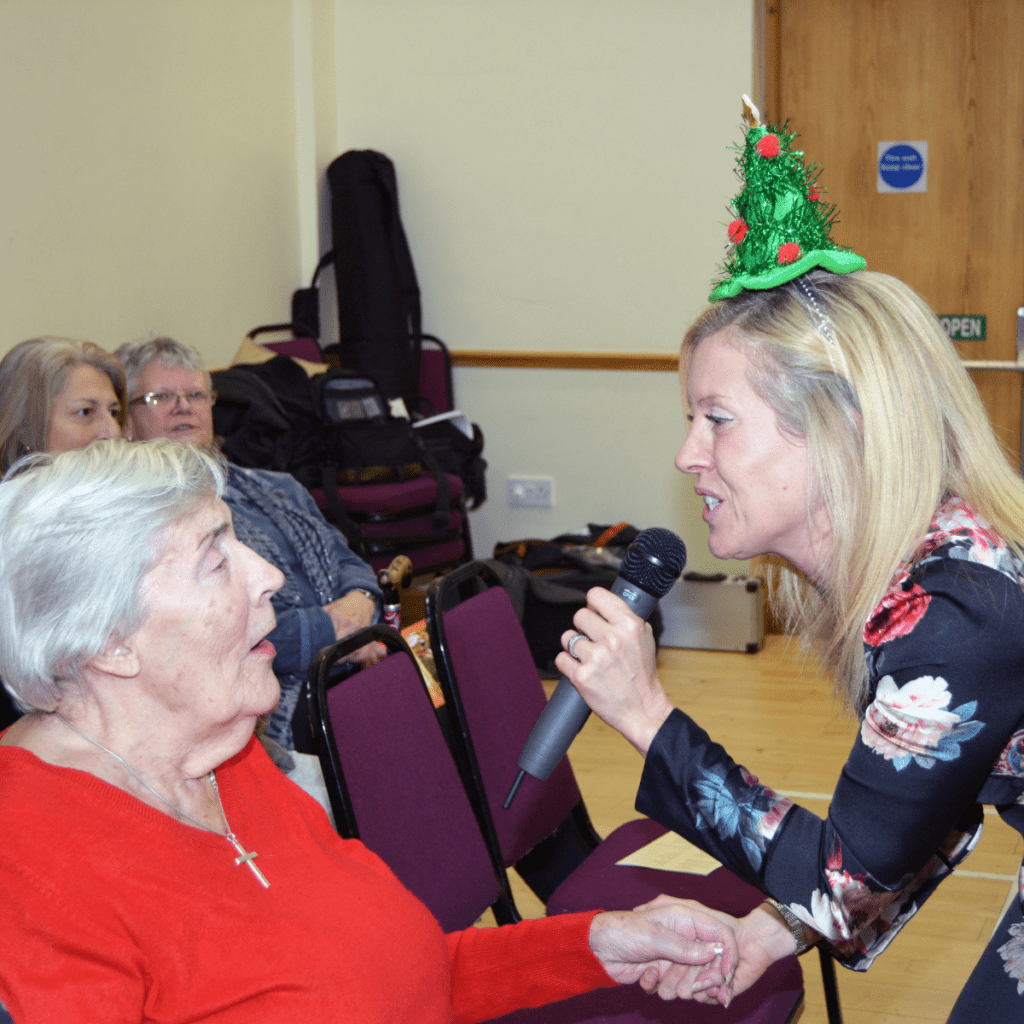
We take structured and interactive singing, activity and craft sessions into community day care centres and care homes, supporting those living with dementia and offering respite opportunities for carers. From very small beginnings as a not-for-profit organisation back in 2014, we have expanded from one session per week to at least 30 sessions per month. We have also been a registered charity since 2019.

How long have you been with DSES?

I have been working with the charity for coming up to 10 years. I became involved with DSES after experiencing the decline of my Auntie, who was living with dementia from the age of 64. She used to love it when I would visit and sing songs to her, she would come alive and become the Auntie that I always remembered. This really struck a chord with me. As a performer I realised that maybe there was something I could be doing to help those living with this dreadful condition.

What’s a typical day like for you and your team?

A typical day at DSES involves gathering all props, costumes and a speaker and heading out to one of our care homes/centres to lead an hour session in the morning and another hour in the afternoon. We arrive, set everything up and introduce ourselves to everyone in the room. It's important we make sure we know the names of every client to make the experience more personal. During the sessions, we use fun props, crazy costumes and make sure we keep everyone moving and as active as they possibly can for the full hour. 

Can you share a story of how your charity has directly impacted someone's life?

The most wonderful part of our sessions is when a client arrives silent, unresponsive with their heads down and eyes closed, and they leave awake, smiling, talking, laughing and still tapping their feet along to the music they have just heard. It can be a challenge working with those clients who are towards the end of their dementia journey, but we do include everyone as much as we can whatever their condition.

Recently, one of the clients, who hadn’t spoken for three months, attended his first session with us. He arrived asleep but, as our session progressed, he began tapping his feet, singing and even dancing. It was a joy to behold! His wife, who was visiting at the time, was in tears, as were we!

What are the challenges you face, being a small organisation?

As a small charity, one of the challenges we face is securing funding. It is a constant battle but one we attempt to remain positive about. 

What impact do you feel you have in the wider community?

Our charity is unique because we interact with everyone, we learn everyone’s names and make sure that no-one is left out. We don’t just stand at the front and sing, we engage and communicate, trying to share our positivity not just with the clients, but the staff too. It is like one huge family!

Dementia Singing Experience Sussex brings interactive singing and craft sessions into day care centres and care homes across Sussex, supporting those living with dementia and their carers. Find out more about the work they do on their website.

Dementia Singing Experience Sussex recently received a grant from the Foundation under the Improving Health funding priority.