Bridging the gap between town and down
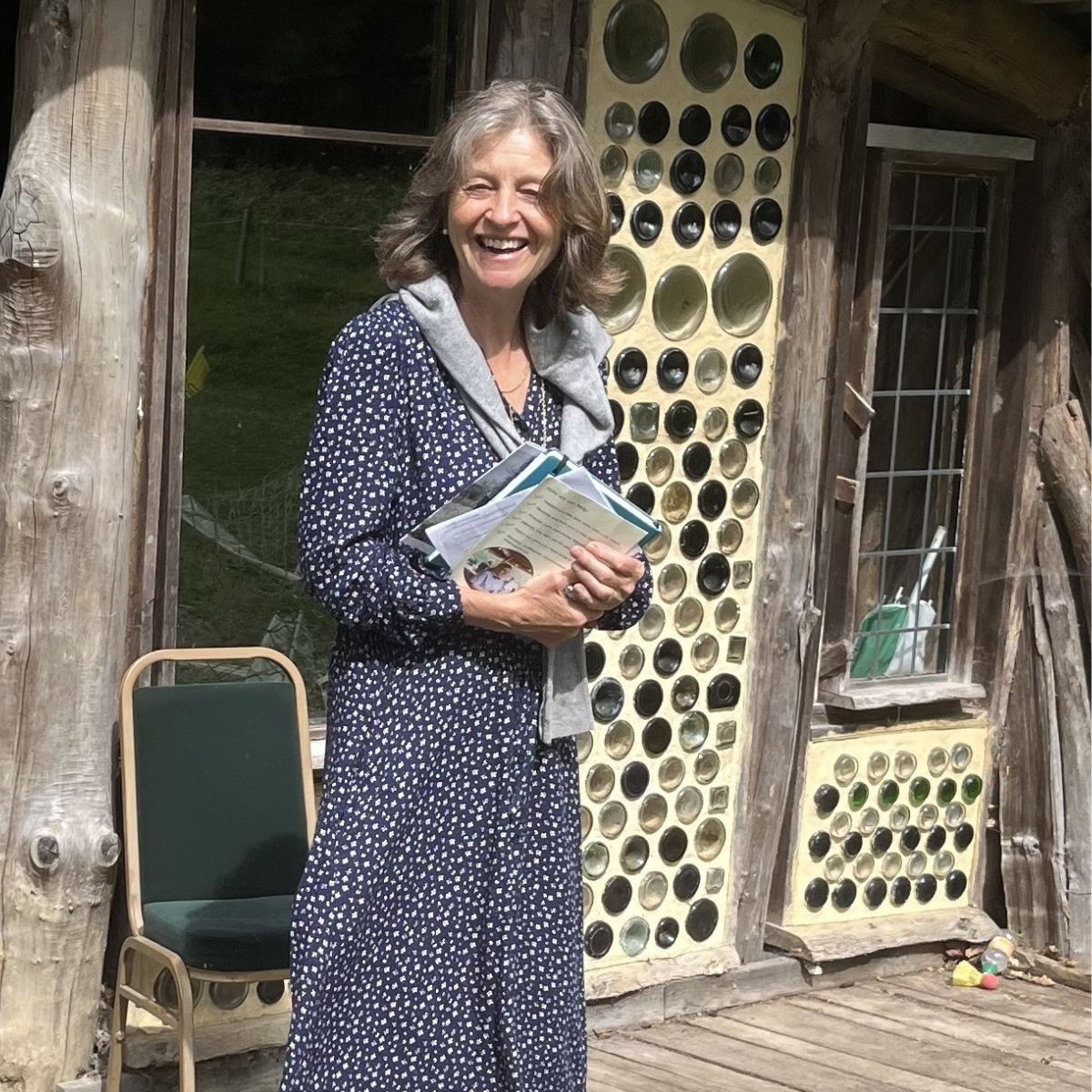
Taking each new High Sheriff to visit local charities has become an enjoyable tradition. Annie Brown, the East Sussex High Sheriff for 2025/26, is a third-generation family farmer on the South Downs. She has worked hard to bridge the gap between town and down: supporting the premise that understanding and enjoying the rural landscape is key to good health and wellbeing. With this in mind, we visited Little Gate Farm and Veterans’ Growth.

Little Gate’s supported employment programme helps people with learning disabilities and autism into work, knowing that with the right support, they can be happy and valued employees in any industry. Paid employment can bring life-changing benefits; beyond financial gain, the improvement to self-esteem and confidence can be astounding.
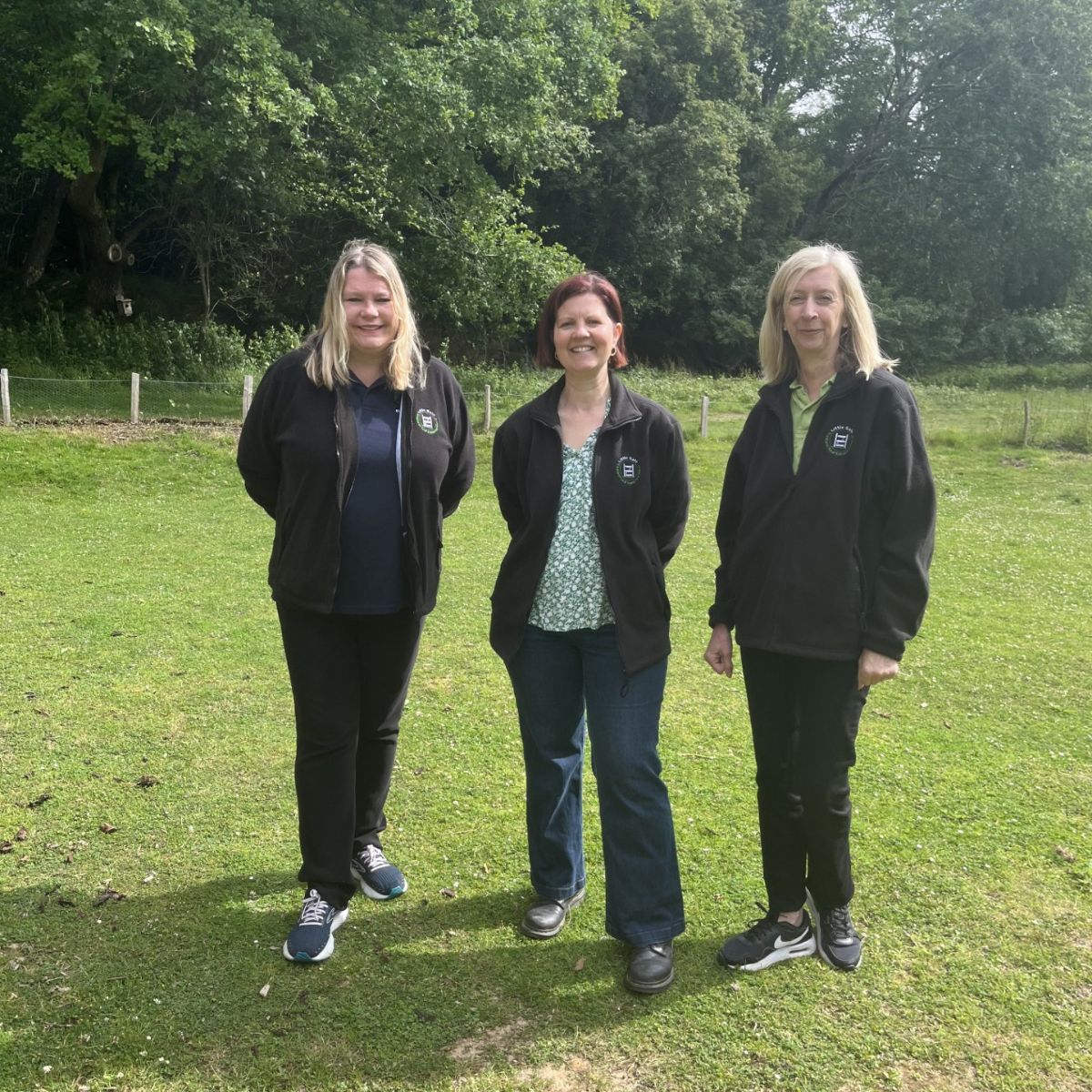
Annie and I met Andrea Randall-Smith, the CEO, and members of the team, who showed us round the farm. They offer a variety of activity groups to help trainees build skills, with the aim of getting a paid job. This includes two social enterprises: cut flowers and charcoal production.

We were blown away by the dedication of both staff and the young people, who mostly attend the farm twice per week.

One thing that was evident from arrival and meeting Sarah Wilson, the CEO of Veterans’ Growth, was the aura of calm over the site.
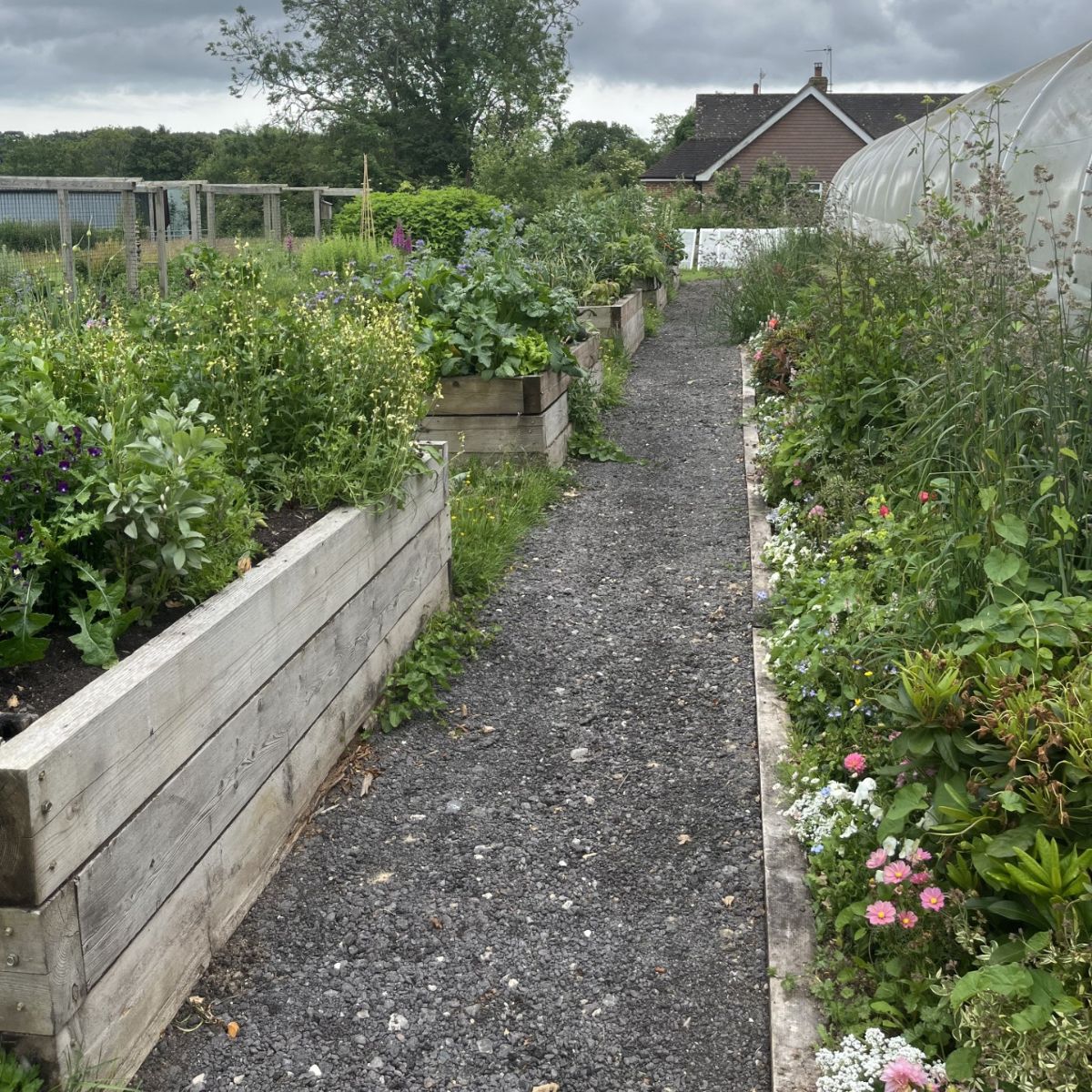
Veterans’ Growth was set up by Jason Stevens, who was medically discharged from the MOD in 2016 after a stroke. Diagnosed with PTSD, Jason found gardening was the only thing that improved his mental health. After reading about the high veteran suicide rates and the limited provision for post-discharge help, Jason set up Veterans’ Growth.

The charity runs on minimal costs thanks to a peppercorn rent and some very committed volunteers and staff. Every veteran who wants to attend is supported, and some on-site accommodation is available for those living outside Sussex.
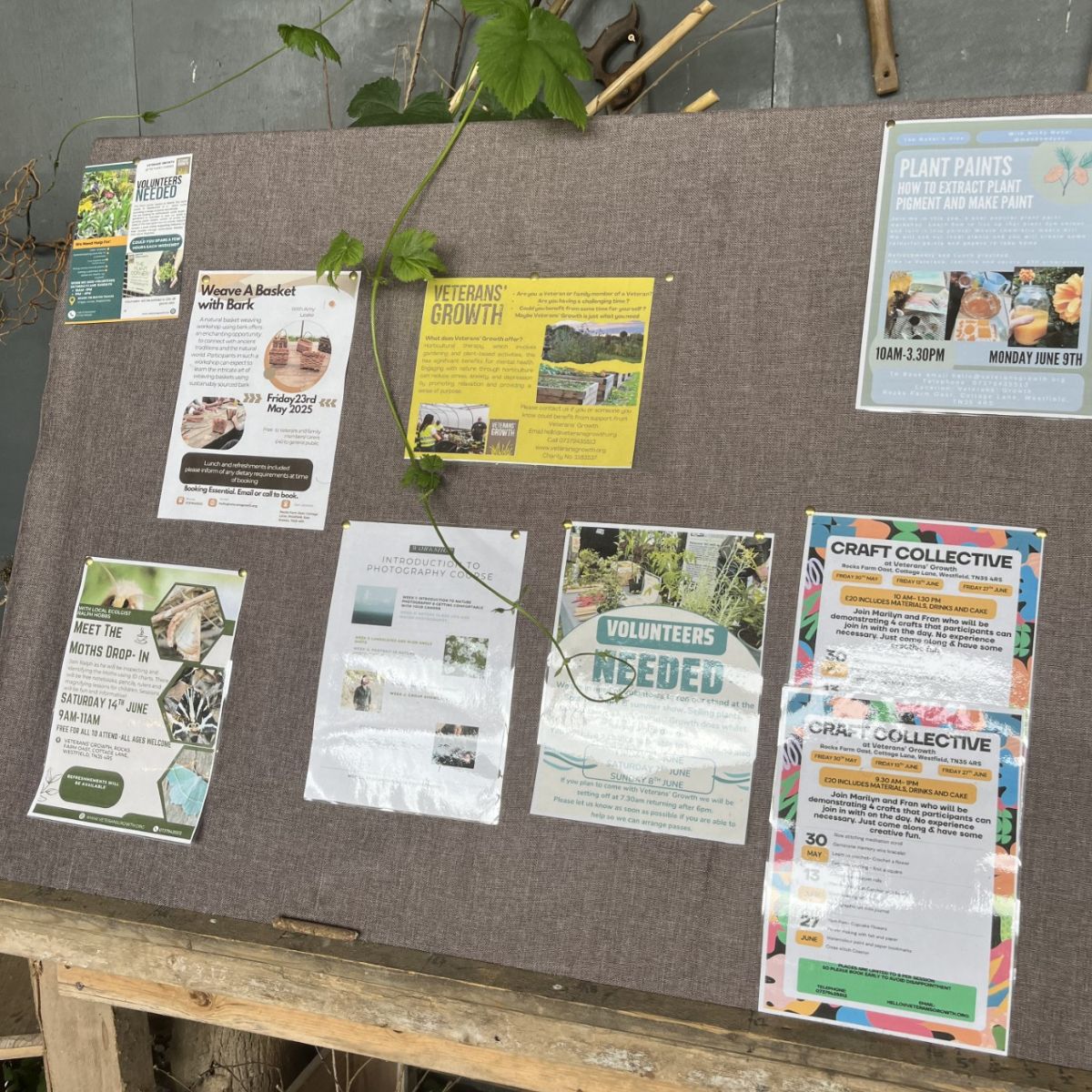
Veterans’ Growth courses reduce stress, anxiety, depression and isolation. They also help establish long-term social connections and introduce horticulture as a future hobby or career.

In addition to outdoor activities (including looking after some extremely grumpy pigs!), veterans have access to a wonderful new kitchen where they learn about nutrition and using the home-grown food.

At the end of our day, Annie and I were delighted to have seen how two very different charities were using connection with rural skills to improve the mental health and life chances. Read more about our Acting on Climate funding priority and other rural projects in Sussex here.
A day in the life of a small charity

Suzanne Procter, Principal at Dementia Singing Experience Sussex, gives us a unique glimpse into their mission as a small charity, what a typical day is like for her and her team, and the difference they're making for those affected by dementia and their carers.

Who are Dementia Singing Experience Sussex (DSES)?

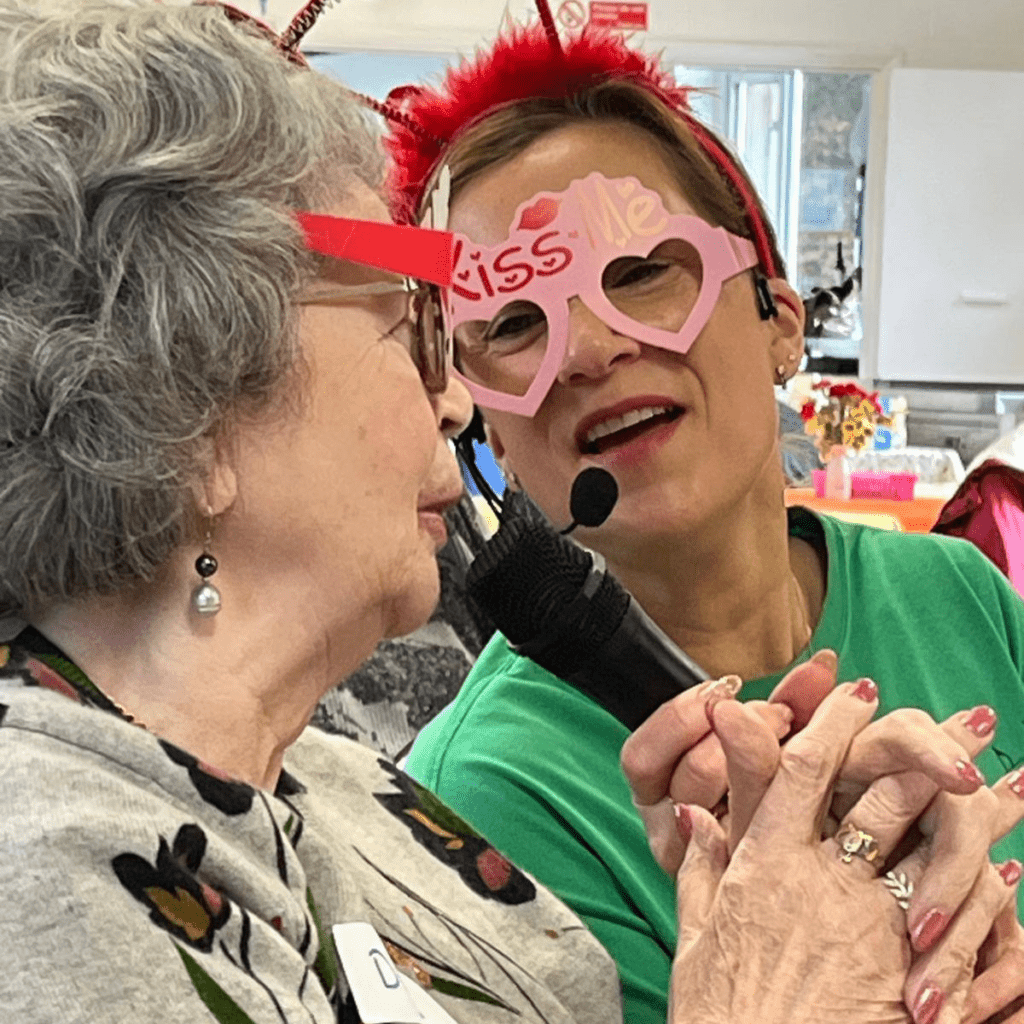
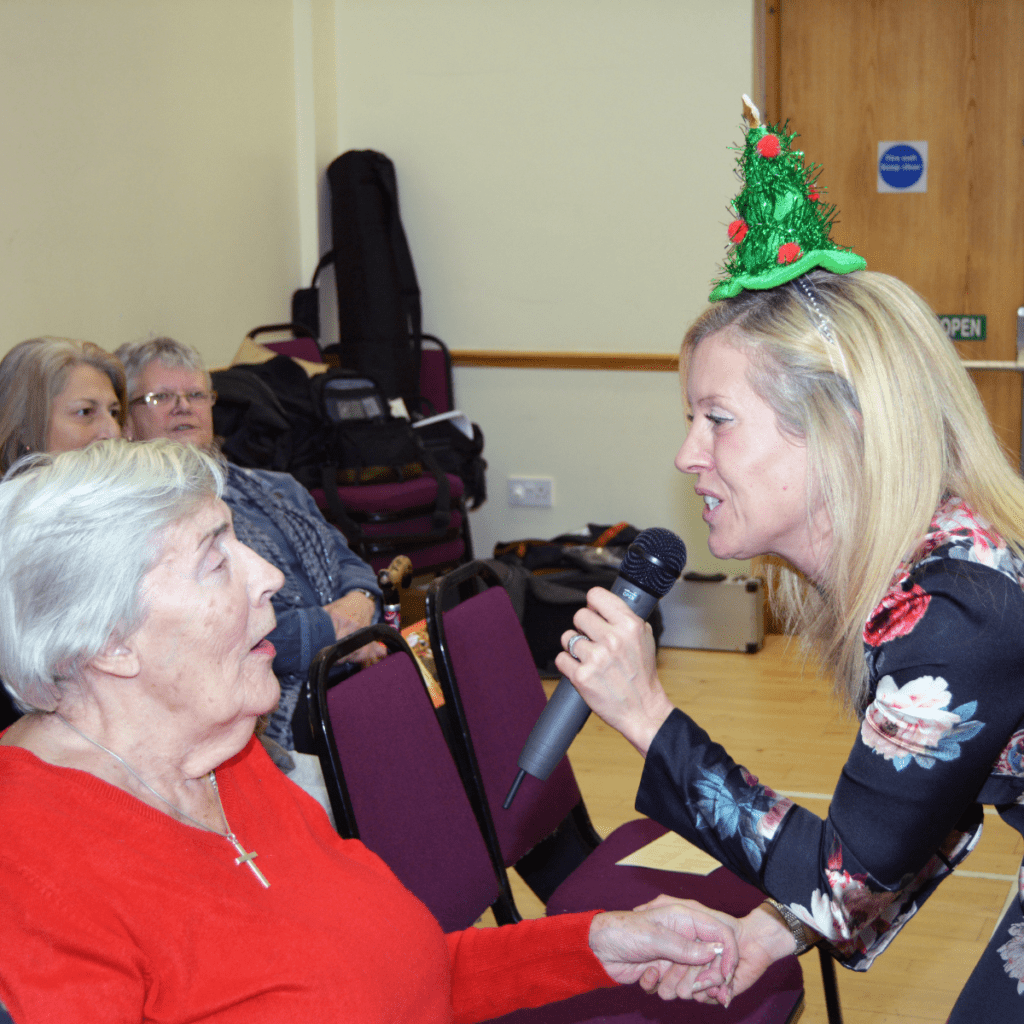
We take structured and interactive singing, activity and craft sessions into community day care centres and care homes, supporting those living with dementia and offering respite opportunities for carers. From very small beginnings as a not-for-profit organisation back in 2014, we have expanded from one session per week to at least 30 sessions per month. We have also been a registered charity since 2019.

How long have you been with DSES?

I have been working with the charity for coming up to 10 years. I became involved with DSES after experiencing the decline of my Auntie, who was living with dementia from the age of 64. She used to love it when I would visit and sing songs to her, she would come alive and become the Auntie that I always remembered. This really struck a chord with me. As a performer I realised that maybe there was something I could be doing to help those living with this dreadful condition.

What’s a typical day like for you and your team?

A typical day at DSES involves gathering all props, costumes and a speaker and heading out to one of our care homes/centres to lead an hour session in the morning and another hour in the afternoon. We arrive, set everything up and introduce ourselves to everyone in the room. It's important we make sure we know the names of every client to make the experience more personal. During the sessions, we use fun props, crazy costumes and make sure we keep everyone moving and as active as they possibly can for the full hour. 

Can you share a story of how your charity has directly impacted someone's life?

The most wonderful part of our sessions is when a client arrives silent, unresponsive with their heads down and eyes closed, and they leave awake, smiling, talking, laughing and still tapping their feet along to the music they have just heard. It can be a challenge working with those clients who are towards the end of their dementia journey, but we do include everyone as much as we can whatever their condition.

Recently, one of the clients, who hadn’t spoken for three months, attended his first session with us. He arrived asleep but, as our session progressed, he began tapping his feet, singing and even dancing. It was a joy to behold! His wife, who was visiting at the time, was in tears, as were we!

What are the challenges you face, being a small organisation?

As a small charity, one of the challenges we face is securing funding. It is a constant battle but one we attempt to remain positive about. 

What impact do you feel you have in the wider community?

Our charity is unique because we interact with everyone, we learn everyone’s names and make sure that no-one is left out. We don’t just stand at the front and sing, we engage and communicate, trying to share our positivity not just with the clients, but the staff too. It is like one huge family!

Dementia Singing Experience Sussex brings interactive singing and craft sessions into day care centres and care homes across Sussex, supporting those living with dementia and their carers. Find out more about the work they do on their website.

Dementia Singing Experience Sussex recently received a grant from the Foundation under the Improving Health funding priority.