Why supporting parents is key to improving children’s mental health

My personal journey has been one of resilience and determination. It’s this journey that led me to establish Holding Space, an award-winning East Sussex-based charity that offers parent/carer peer support to families whose children and young people are experiencing mental and/or emotional health difficulties.

The catalyst for creating the charity was the distinct lack of support I faced as a mum dealing with my daughter’s mental health struggles. As a parent, I felt like a failure; I was meant to protect my daughter. Yet, I had no one who could help. I couldn’t share my concerns with friends or colleagues; I felt so alone. Parenting does not come with a bible and we often feel judged. We think everyone else has got it right and are perfect parents!

In 2019, I set up a Facebook page, hoping there was an understanding shoulder to cry on. The response was incredible. Parents started sharing their stories, and it was clear there was a critical gap in support. Holding Space was born out of this need. Almost seven years later, I lead a charity supporting over 1,400 families across Sussex. But the need is clear and continues to grow.

"I wish Holding Space existed when I needed it."

Hansa Raja, Founder of Holding Space 

The vision of Holding Space is a world where no parent feels they have to navigate their child’s mental health journey alone. Our goal is to ensure that every parent and carer across Sussex feels heard, supported, and confident in navigating their children's emotional and mental health challenges.

Our mission is to support and empower parents and ensure that they have the tools and knowledge to support their children. Early intervention is crucial to the mental health of future generations.

The need in Sussex

Across Sussex, over 7,000 children and young people wait for mental health assessments, with the average wait time in East Sussex for an intervention being two to three years. The consequences of this are evident: East Sussex hospital admissions for self-harm during 2023 were significantly worse than the England average and in the 25% worst percentile.  

These challenges are also highlighted in Sussex Community Foundation’s recent Improving Health report, which found that young people in disadvantaged areas of the county are more likely to experience overlapping challenges, including high levels of caring responsibility, disability and mental health need.

The issues we hear from parents are varied, from anxiety and self-harm to waiting for assessments for autism diagnosis or school struggles. The emotional and practical impact is profound; parents feel inadequate and unsupported by statutory services. Many are forced to give up work to care for their child, which impacts family finances.

Supporting the whole family

When parents feel empowered, seen, listened to and connected, they are better able to support their children and look after their own wellbeing. Early intervention and support are crucial and we must do more to support families.

Funding, however, remains a constant challenge. Many charities are facing similar pressures, having to reduce their services or close. The voluntary sector is bridging gaps created by funding cuts and pressure on statutory services. To provide the best support and care for our communities, we need to embrace partnerships and co-production, ensuring that professionals, funders and those with lived experience work collaboratively.

My passion for supporting parents and carers extends to my consultancy, which offers workshops to businesses on “Why Supporting Parents and Carers in the Workplace Matters”. As a single mum, I know firsthand the struggles of balancing work and caregiving. When my daughter was in crisis, I had no choice but to leave my job to support her. This experience highlighted the urgent need for greater employer understanding during personal and family crises.  

Charities like Holding Space exist so that no parent has to face these challenges alone, but meaningful change requires working together. By bridging the gap between lived experience and community support, we have an opportunity to build a Sussex where every parent feels empowered and every child is given the chance to thrive.


Find out more about working with Hansa, the workshops or the charity.
The Dot Collective

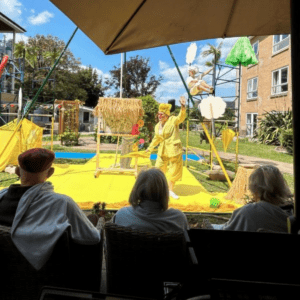
The Dot Collective provides accessible, professional theatre and creative activities for those living in care and with dementia. Their aim is to help reduce loneliness and social isolation, offering cognitive stimulation while at the same time uniting families and carers in a joyful and positive experience.

Thanks to a recent grant awarded by the Foundation, The Dot Collective brought two productions (a Christmas performance and another in the summer) to care homes and dementia groups in Bexhill, Hastings and Eastbourne.

Case study

A story from a beneficiary as told by a member of staff at the Dot Collective:

"At one of the care homes we performed at, we met a lady who was visiting her mum who suffered from dementia and had just moved in the week before. She told us that her mum used to be a drama teacher and an actress when she was younger. The mum seemed a little stressed before the show, but as the show went on she started to look more engaged, laughing and enjoying the performance with everyone else in the room. After the show, her daughter privately came to thank us.

She said: ‘It's been a really unpleasant time for all of us, with little joy. But today for the first time in ages my mum seemed like herself, more relaxed, and I was able to enjoy the time I spent with her. I just want to thank you for creating a morning of joy. My mum now has forgotten she doesn't like it here, and if the days can be filled with activities like yours, then I know she'll be okay.'"

An outdoor performance from The Dot Collective

Find out more about The Dot Collective on their website.

Our Funding Priorities

This grant was awarded through our Improving Health funding priority, which supports those with physical and mental health needs, those who desire healthier lifestyles, and those who may live with life-limiting conditions or disabilities.

Read more about Improving Health and donate to our pooled fund.

People Matter Trust

People Matter provides information, advice and guidance to job seekers. They offer one-to-one and small group sessions helping job seekers create action plans and improve their employability skills and become more economically independent.

With a recent grant from Sussex Community Foundation, they ran their jobseeker programme in Heathfield.

SC’s story

SC contacted People Matter for advice about updating her CV, having been a carer for her mother and then her stepmother for many years. She had been out of the workplace since 2016. She was nervous about seeking work and felt that her skills would be redundant.

Her confidence was low, and she felt that she had nothing to offer. She contacted People Matter and met with an adviser who suggested a skills plan and a careers assessment of her transferable skills, along with other services.

SC tells her story:

“We reviewed my CV which needed some developing and editing. Thanks to the skills health check I realised what my transferable skills were. But it was really when the Advisor created my new CV that I really saw the skills I had and that they were validated on the CV. This definitely helped raise my confidence.

I soon gained employment as a barista with a newly built local coffee business and since then my confidence has grown. Alongside that, I used my skills and have been promoted to supervisor just recently.

Coming to People Matter made a huge contribution to my newfound confidence and made me excited about looking for work and about the future. They were so helpful and made the most daunting task seem easier, with supportive and helpful discussions. I felt that I was able to engage with someone on my own level.

I am grateful that I was able to engage with such a helpful and supportive advisor at People Matter Trust. They made a difference to me and my self-confidence. I began to believe in myself and that has already brought me a job promotion and a brighter future, where I see myself moving forward.”

Find out more about People Matter Trust on their website.

The Reaching Potential report, the latest in the Sussex Uncovered series, highlights the challenges our county faces. It also emphasises the vital role local charities play in helping disadvantaged individuals reach their full potential.

Read the report Reaching Potential.

TechResort

A key challenge for Sussex is the high levels of deprivation in our major coastal communities, including Eastbourne. Our Tackling Poverty Report found that Eastbourne has a higher proportion of people experiencing income deprivation and child poverty than the national average.

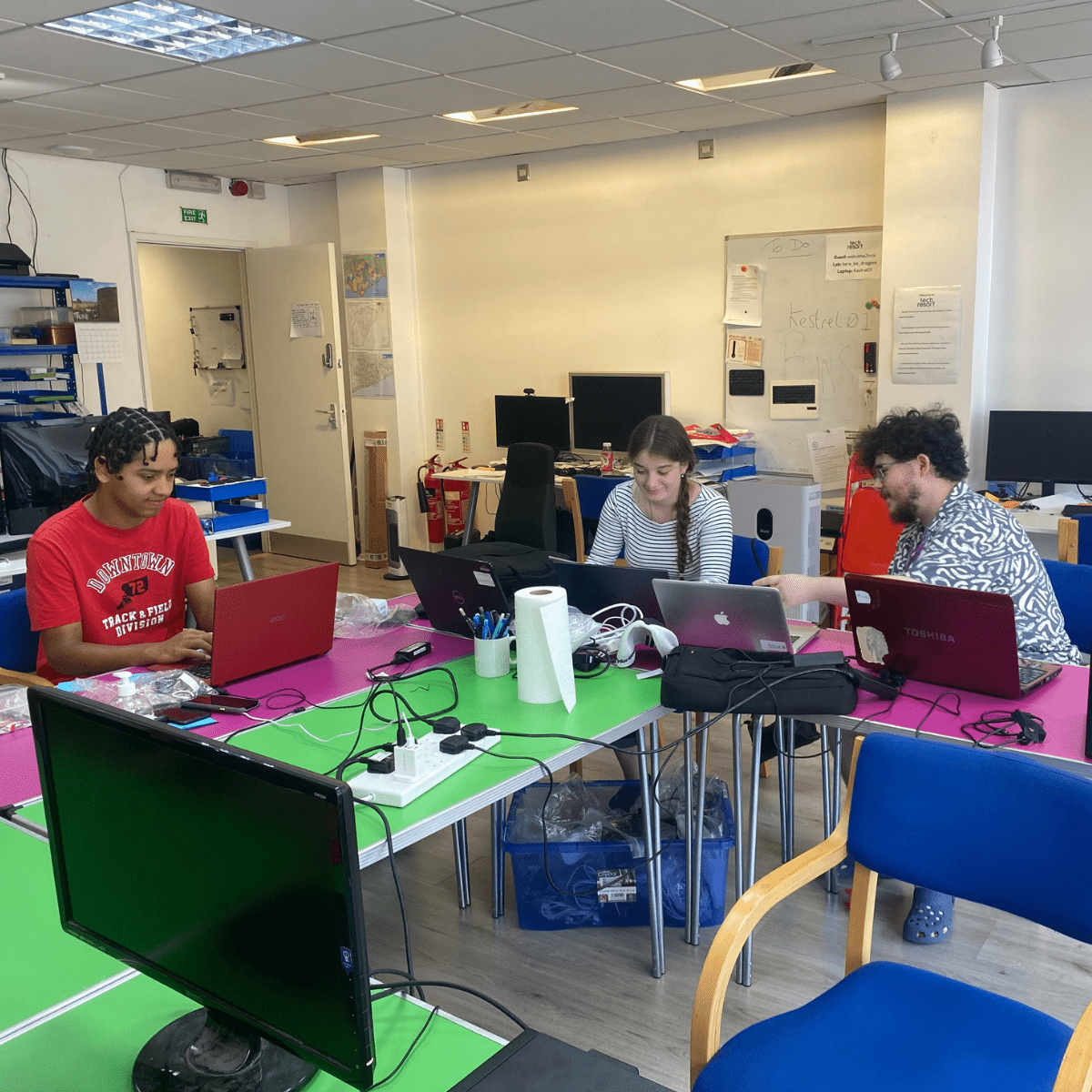
We recently visited TechResort at their office in Eastbourne where we met Chief Operating Officer Liz, who told us about the different services they provide to equip people with digital skills and devices in order to tackle digital exclusion.

The team at TechResort believes that everyone should have access to the digital world, and they’re working hard to break down barriers. They support people of all ages from different backgrounds, including providing work experience and coding workshops for young people (being a proud safe space for people who are neurodivergent), to providing support for older people who need help setting up online.

They also provide digital devices to a range of people including refugees and asylum seekers and people experiencing homelessness. Liz explained how TechResort and Matthew 25 Mission signpost beneficiaries to each other, providing joined-up support in Eastbourne. 

Liz spoke about TechResort’s passion for ensuring dignity for those they support. This can be done in such simple ways, for example providing a laptop bag with a laptop (instead of a plastic bag) so people can take ownership and care of the device.

Visiting TechResort highlighted the importance of digital literacy and access in today’s online world. They help people to get online with confidence and be able to complete essential tasks such as accessing support, making requests for housing or applying for jobs independently. 

“A lady of working age was referred to us by a local homelessness support charity. She was in emergency housing and needed a phone to help complete her universal credit journal. She disclosed a history of mental health issues which made her find some tasks overwhelming and this put her at risk of benefit and housing sanctions. Once we provided her with a phone and a SIM card, we coached her in job and accommodation searches. She was very happy that this improved her ability to cope.” 

TechResort member of staff

Find out more about TechResort on their website.

Matthew 25 Mission

Eastbourne is a town with high levels of need however, it is also a place full of community spirit, which can be found in abundance at Matthew 25 Mission.

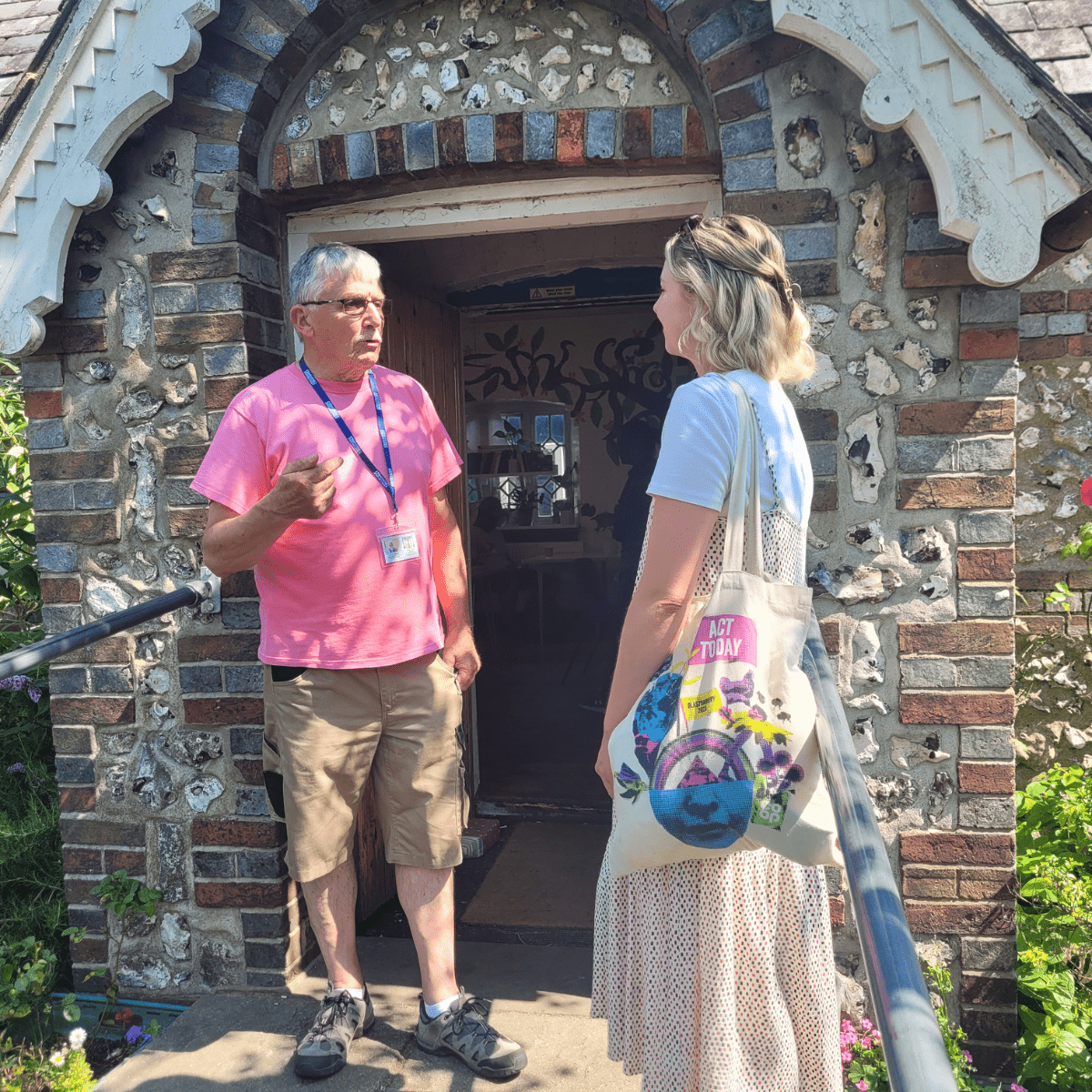
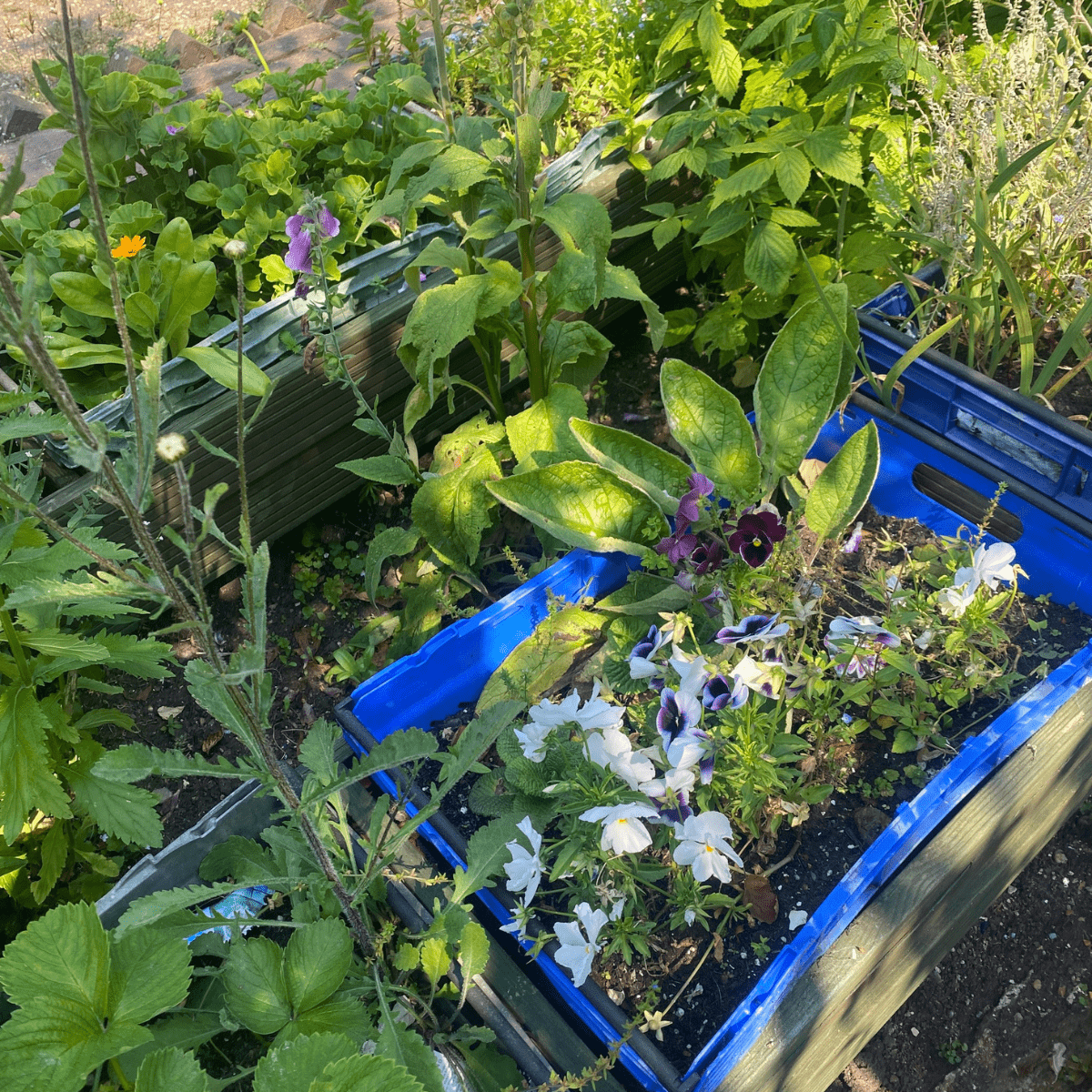
Matthew 25 Mission is located in Devonshire West which is one of the most deprived areas of Eastbourne. Walking into the mission, we were greeted by Trustee and volunteer, Simon. He showed us around their drop-in centre, which offers hot meals, a small vegetable garden, washing facilities, and a computer with internet access.

Most of the Mission’s beneficiaries, known as ‘guests’, experience complex multiple challenges including homelessness, substance misuse, mental health difficulties and social isolation.

The social welfare programme, delivered with an inclusive, open access approach, is staffed by two keyworkers and supported by a team of volunteers in the centre, kitchen and shop. The dedication of the team was evident as they worked to ensure everyone who walked through the door felt valued and supported.

Simon told us that in 2023 guest visits increased by 16% compared with 2022, which was a 250% increase compared with 2019. In response to this increase in demand, the team now provide 173 meals a day. 

Julian’s* story

Julian was married with two children. His work increasingly took him away from his home, which led to his relationship breaking down and the marriage failing. He moved out and found the increased pressure of continuing to provide for his family and pay for his own accommodation difficult. Not coping with being away from his family, in addition to the loneliness of working away, led him to start drinking.

Julian was then caught drink driving, lost his license and his job. He became very behind on his bills and rent which led to him being evicted. He lived in his car and then ended up on the street. His mental and physical health were both suffering.

Julian came to Matthew 25 Mission and was given a hot meal, some toiletries and clean clothes and was able to have a light wash. He started to visit the centre regularly and the outreach team provided support with his addiction. Eventually, Julian was housed in temporary accommodation and the keyworker helped him to claim universal credit.

He no longer drinks and now volunteers at the centre, providing teas and coffee and has restarted a relationship with his children. As things got easier, Julian’s mental health improved, and he now has a job in a local store as a sales assistant.

*Name has been changed to ensure anonymity

Find out more about Matthew 25 Mission on their website.

Wilder Life Wellbeing CIC

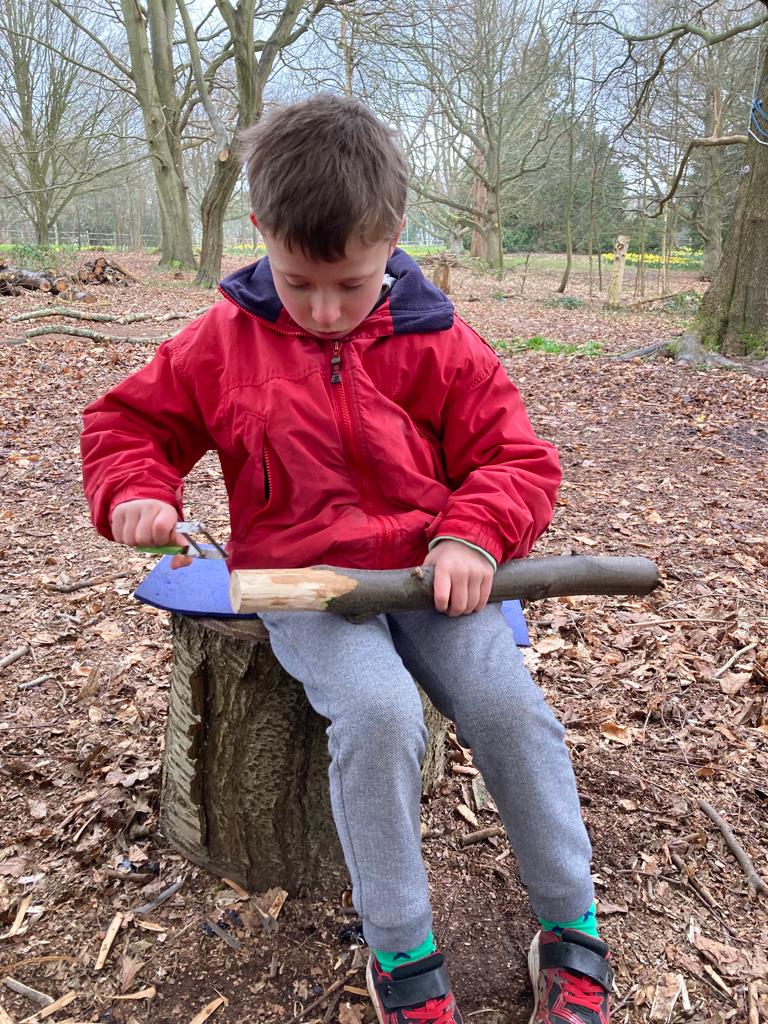
This small forest school based in Eastbourne primarily supports children with additional learning difficulties and their families.

With the grants allocated by the Foundation, Wilder Life Wellbeing has been running “Nature Connection Family Days”, “Teen Woodland Days”, forest school and outdoor learning for local families, school groups and vulnerable teens. In response to increased social isolation within vulnerable and disadvantaged families and young people, these projects aim to promote social interactions and foster peer support.

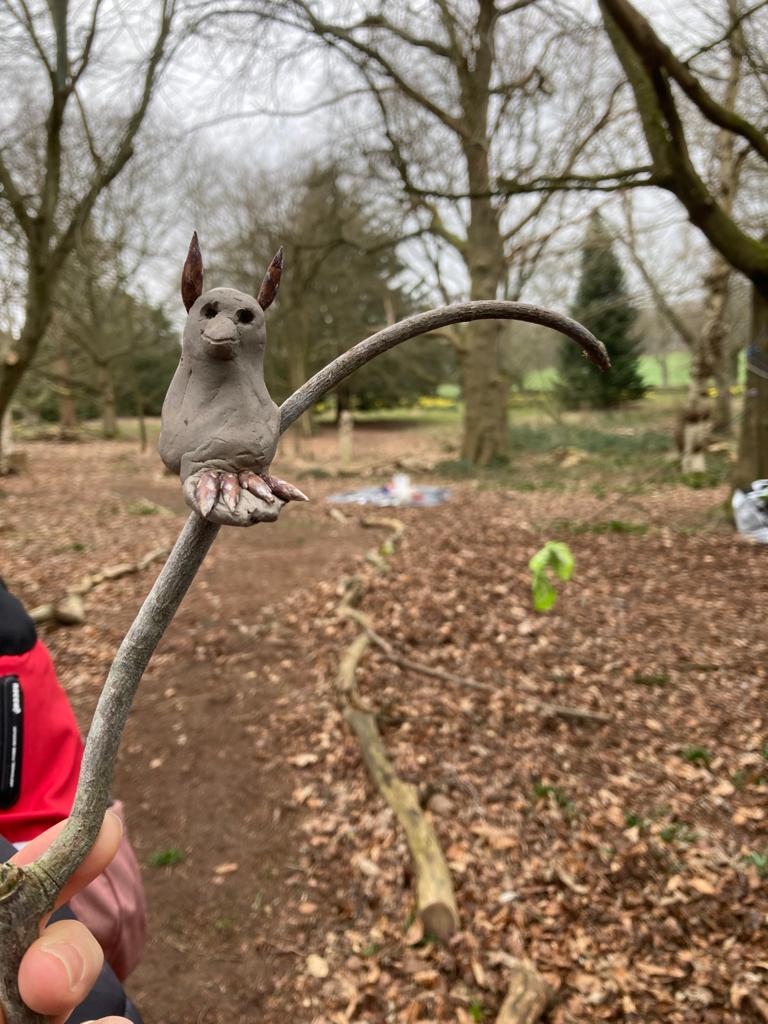
The activities offered in the project are a range of forest school style sessions in the woods, including laying and lighting a campfire, painting using natural materials, hammocks for relaxation and fun, rope swings, den-making and archery. The children can also learn how to use clay to make tree spirits boggarts and clay creatures.

"The young people’s friendship and confidence developed hugely, they were engaging in independent conversations and play. They shared their personal and special interests with each other, without fear of judgement." 

A member of staff

All children thrive when in contact with nature, as this setting helps fostering confidence and social skills. For children with learning difficulties the environment is even more important, as traditional classroom settings can pose challenges. Wilder Life Wellbeing meets the needs of their beneficiaries, giving the children the attention they need, but their work is also vital for the children’s, parents and siblings. The group offers them a safe place to enjoy the outdoors together as a family, whilst feeling supported and relaxed. Parents find it particularly supportive to be with other ISEND families. Strong connections are made during the sessions, which in some cases have extended to meeting together outside of the group’s Family Days.

Find out more how you can help support amazing organisations like Wilder Life Wellbeing in your community: How to Give

To find out more about this charity visit
https://www.wilderlifewellbeing.com/

Our Neighbourhood

The group Our Neighbourhood was set up in 2021 to deliver projects in support of the local community in Eastbourne. Alongside other activities, they run the “World Food Cookery Kitchen”, providing cookery sessions to asylum seekers and refugees in a friendly and supportive environment. The project is another brilliant example of how the grants given by the Foundation can have a huge impact on the community.

The World Food Cookery Kitchen

The sessions, attended on average by 15-20 people from 35 different countries, offer the participants the opportunity to integrate within the local community and enjoy a warm meal in good company. They cook together delicious dishes from around the world, learning to enjoy new flavours. They can request to cook some of their home favourites, too – an opportunity to taste again flavours from their home countries. Following a recipe written in simple English and using various cooking methods, the participants learn new cookery skills and receive tips about a healthy diet and safe food storage.

A warm, safe place

The community café offers a warm place where users can spend time alongside other individuals who are going through similar experiences. They also benefit from talking and sharing their feelings with other beneficiaries, volunteers and other members of the group. The sessions help them practise their English, too: working together on a shared task can help minimise any language barrier.

The charity also arranges special family cookery sessions throughout the year, and they recently celebrated together International Women's Day with some Iranian food and dancing.

A Case Study from Our Neighbourhood

"One of our volunteers comes from Belarus. As she speaks good English, Ukrainian, Russian and Polish, she has been voluntarily helping Ukrainian refugees to settle in the UK. Since joining the World Food Community Kitchen as a volunteer and thanks to her good work, she is now in a part-time paid position with Our Neighbourhood, running a support hub for Ukrainians on a weekly basis. East Sussex County Council recently offered her a job as a part-time Migrant Support Worker."