Navigating inheritance tax shifts: What the changes mean for charitable giving

The UK’s inheritance tax (IHT) landscape is set for significant change, and as professional advisors, we’re closely monitoring developments and guiding clients through what these reforms may mean in practice.

From 6 April 2027, most unused pension funds and death benefits will be brought within the value of a person’s estate for IHT purposes. Currently exempt, this will pull more estates into the IHT net – creating both challenges and opportunities for donors and charities alike.

Why more estates will be affected

The IHT nil rate band – the threshold above which estates are taxed – has been frozen at £325,000 since 2009 and will remain so until at least April 2031. With property prices and other asset values rising over the past two decades, more families are already liable to pay IHT. According to HMRC, annual receipts have grown from £3.3 billion in 2005/06 to a record £8.2 billion in 2024/25.

Adding undrawn pension savings to estates from 2027 will push even more estates over the threshold. Early estimates suggest that 10,500 additional estates will pay IHT for the first time, while a further 38,500 estates will see their tax liability increase. In our practice, we’re already seeing a rise in enquiries about IHT mitigation and succession planning as clients seek clarity and reassurance.

Understanding inheritance tax reliefs

Certain reliefs – such as Agricultural Property Relief (APR) and Business Property Relief (BPR) – can reduce the taxable value of qualifying assets by 50% or even 100%, but qualifying is not automatic. From April 2026, 100% relief will be capped at £2.5 million of combined agricultural and business assets, with any excess receiving 50% relief.

The only unlimited relief available to most individuals is charitable gifting. Donations to UK-registered charities, universities or churches are entirely exempt from IHT. Additionally, leaving 10% or more of your net estate to charity reduces the standard IHT rate from 40% to 36% – providing a clear financial and philanthropic benefit.

Advising on legacy and charitable planning

Charitable giving – whether during a lifetime, through a will or via charitable trusts – can form an effective part of a broader estate planning strategy. In some cases, a carefully calculated charitable legacy can reduce the overall IHT burden while preserving value for beneficiaries and supporting causes that reflect a client’s values.

We are increasingly discussing the interaction between pension reforms and existing wills; the use of lifetime gifting strategies; trust structures for long-term charitable and family benefit; and the 10% charitable legacy threshold and its impact on the effective IHT rate.

We always recommend individuals take appropriate legal and financial advice before making decisions, ensuring that tax considerations align with wider financial planning and family objectives.

Where charitable ambitions are central, we may also signpost clients to Sussex Community Foundation for local philanthropic support.

What this means for charities

For charities and professional advisors working with donors, these changes are likely to prompt more conversations around legacy giving and structured philanthropy.

Clear, responsible communication is key. While charitable gifts can offer tax advantages, they should always be presented within the broader context of personal financial planning and independent advice.

Charities that understand the evolving IHT framework are well-placed to support donors in making informed decisions.

How Mayo Wynne Baxter can help

At Mayo Wynne Baxter, we work closely with individuals and charities to navigate the complexities of inheritance tax planning and legacy giving. We’re actively monitoring legislative developments and advising clients on how proposed changes may affect their estates. Our approach is tailored, strategic and grounded in both legal and financial realities.

By reviewing plans early and taking coordinated advice, individuals can ensure their legacy reflects their wishes, supports the causes they care about and protects their family’s long-term interests.

How Sussex Community Foundation can help

For advisors supporting clients with charitable ambitions, Sussex Community Foundation is the go-to partner for local giving.

We partner with professional advisors to help clients make tax-efficient charitable gifts that are straightforward to manage and create lasting local impact. Through our philanthropy advice, we match our supporters’ aims with the many small, effective local charities – whether through Donor Advised Funds, lifetime gifts or legacies – ensuring their support is directed where it can make the biggest difference.

If you’d like to explore how local giving could support your client conversations, we’d be glad to talk with your team. Get in touch.

Legacy giving: leaving a lasting impact through your Will

Gina Berry, Head of Private Client Department at The Owen Kenny Partnership Ltd, discusses the lasting impact of legacy giving.

At The Owen Kenny Partnership, we work closely with clients to ensure their wishes are clearly and securely reflected in their Wills and wider estate planning. One topic we always encourage clients to consider is legacy giving. Leaving a charitable gift in a person’s Will offers a deeply personal and rewarding way to create a meaningful legacy, one that extends beyond their family and supports causes they care about.

When we raise the idea of charitable giving, many clients instinctively think of the large national charities, such as the RNLI and British Heart Foundation. While these organisations do remarkable work, some people feel their individual contribution may be lost in the scale of such operations. Others are put off by the idea of their gift being absorbed into a vast system, rather than making a clearly visible difference.

Encouraging clients to think local

This is why we encourage clients to think more locally. Smaller community-based charities, often right on their doorstep, can be profoundly affected by even modest legacy gifts. Supporting local causes not only strengthens the fabric of our communities but can also provide the donor's family with a tangible insight into the benefit their loved one’s legacy has made. It’s incredibly powerful for future generations to see the real-world impact of that generosity, whether it’s a community garden thriving, local young people being mentored, or a village hall being kept open.

There are also clear practical benefits to including charitable legacies in a Will. Gifts to UK registered charities are exempt from Inheritance Tax. This means that not only can a charitable gift reduce the overall taxable value of an estate, but in some cases, it may even bring the estate below the taxable threshold or reduce the rate of Inheritance Tax from 40% to 36% if 10% or more of the estate is left to charity. It’s a way to support causes close to your heart while also making your estate planning more efficient.

A question I always ask is whether the client would prefer their money to go towards paying an Inheritance Tax bill or whether it could be used to support a charity close to their heart.

Sussex Community Foundation plays an invaluable role in helping clients connect with the full range of charitable work happening locally. Whether someone already has a particular cause in mind, such as mental health, homelessness, youth work, or the environment, or simply wants to ensure their gift is used where it's needed most, the Foundation offers expert guidance and long-term stewardship. They also help clients set up Donor Advised Funds to support existing local projects, ensuring that their generosity lives on for years to come.

As solicitors, we are in a privileged position to help guide and shape these conversations. By partnering with Sussex Community Foundation, we can offer clients both clarity and confidence, helping them ensure their legacy reflects their values and makes a lasting difference in the communities that matter most to them.

Gina Berry, Head of Private Client Department

The Owen Kenny Partnership Ltd

The gender dynamics of wealth transfer and philanthropy

Michael Lawrence, Managing Director at Global Wealthmap Ltd, discusses women’s increasingly important role in charitable giving.

We often hear about the inter-generational wealth transfer, where the baby boomer generation are going to be shifting trillions of pounds of wealth to the next generation. However, before this we will witness a significant transfer of wealth from men to women.

It is well established that women tend to outlive men, and whilst on average this may only be by a couple of years, in certain couples this could be a five- or ten-year period, partly due to the husband being on average a few years older as well. Add to this the increasing divorce rate in couples in their sixties.

This will have a number of ramifications for society, and especially so for professional services. At a recent event where I met with the FCA it was mentioned that upwards of 70% of women change their financial adviser when they become widows.

Helping manage their wealth

In our experience, women who inherit wealth will typically leave a traditional wealth manager for a planning led proposition, valuing in-depth conversations about goals, family priorities, passing wealth on to the next generation and charitable goals. If a firm has traditionally put too much emphasis on investment performance, graphs and asset allocation, and less on the qualitative side of the relationship, this can be a real issue.

We know that financial security and long-term financial stability are two big drivers for women inheriting money, and this may in turn lead to a desire to have a more cautious overall outlook. This is a generalisation of course, but we do see higher savings rates for women rather than men in our wider practice.

There is an increasing need for professional service and private client practices to take onboard demographic changes, because it is not just at the inheritance stage women become the main decision-makers. It is now increasingly common to see that the main income earner in the household is female. This follows on from a very long-term trend of academic outperformance of girls at school, young women at university and as a result women in the workplace. Some studies suggest that 60% of all wealth in the UK will be in the hands of women by 2030.

There are still big areas of inequality that need to be addressed, but increasingly we see couples coming to us where it is the woman who earns more and generates more wealth, and as a result takes a bigger interest in how money is managed for the longer-term.

This is in turn creates a number of opportunities in private client work. Of course, all types of advisers can be equally effective in advising all types of clients. But it is essential to focus on goals and objectives, and work through genuine lifestyle financial planning processes. This involves talking far more about the person and far less about the money.

Whilst the gender dynamics of wealth transfer introduces a number of new considerations, the old truths still remain. Clients value trusted advisers and you do that through being genuinely client centric, through transparency and great communication skills.

A positive effect of women making the financial decisions of a household, or where a widow suddenly becomes responsible for their finances, is a desire to talk about the importance of the wider family and the wider society. This introduces a great opportunity for private client advisers to address charitable and philanthropic goals as an active conversation rather than an afterthought.

A valuable opportunity for our society

We are in an exciting phase of change for our society, with increasing financial participation and autonomy for women we have a genuine chance of achieving a more equal society for everyone.

Michael Lawrence APFS
Chartered Financial Planner
Managing Director

Interested in finding out more on this topic? You can read a related article here.

Meet our fundholders: Jeremy Field OBE, C.P.J. Field

In this blog, we meet one of our fundholders who has supported us through the years. Jeremy Field OBE, Co-Chief Executive at C.P.J. Field, writes about his experience as a fundholder at the Foundation.

My family has owned and managed C.P.J. Field funeral directors for 10 generations since 1690. We have always believed in playing an active role in our local community, and both my parents were very active supporters of charities. My mother, Christine, was a district and county councillor and deputy leader of West Sussex County Council. My father, Colin, was High Sheriff of in March 2008 and was subsequently made a Deputy Lieutenant.

In these roles my parents were involved in the formation of Sussex Community Foundation, attracted by the Foundation’s mission to be a lasting resource for local charities.

They were also keen to involve us, their children (Charlie, Emily and myself), in the Fund as the next generation of Fields who now run the business.

By becoming a fundholder and setting up a family endowment fund back in 2008, my family wanted to demonstrate our company’s lasting commitment to Sussex, as well as supporting inspiring local charities. Match funding from the Government’s Grassroots Endowment Challenge was an added incentive.

Over the years, the Field Family Fund has given out 44 grants across Sussex of over £138,000, and the capital is still worth £210,000.

Aims and objectives of the fund

Through our fund we aim to provide support for:

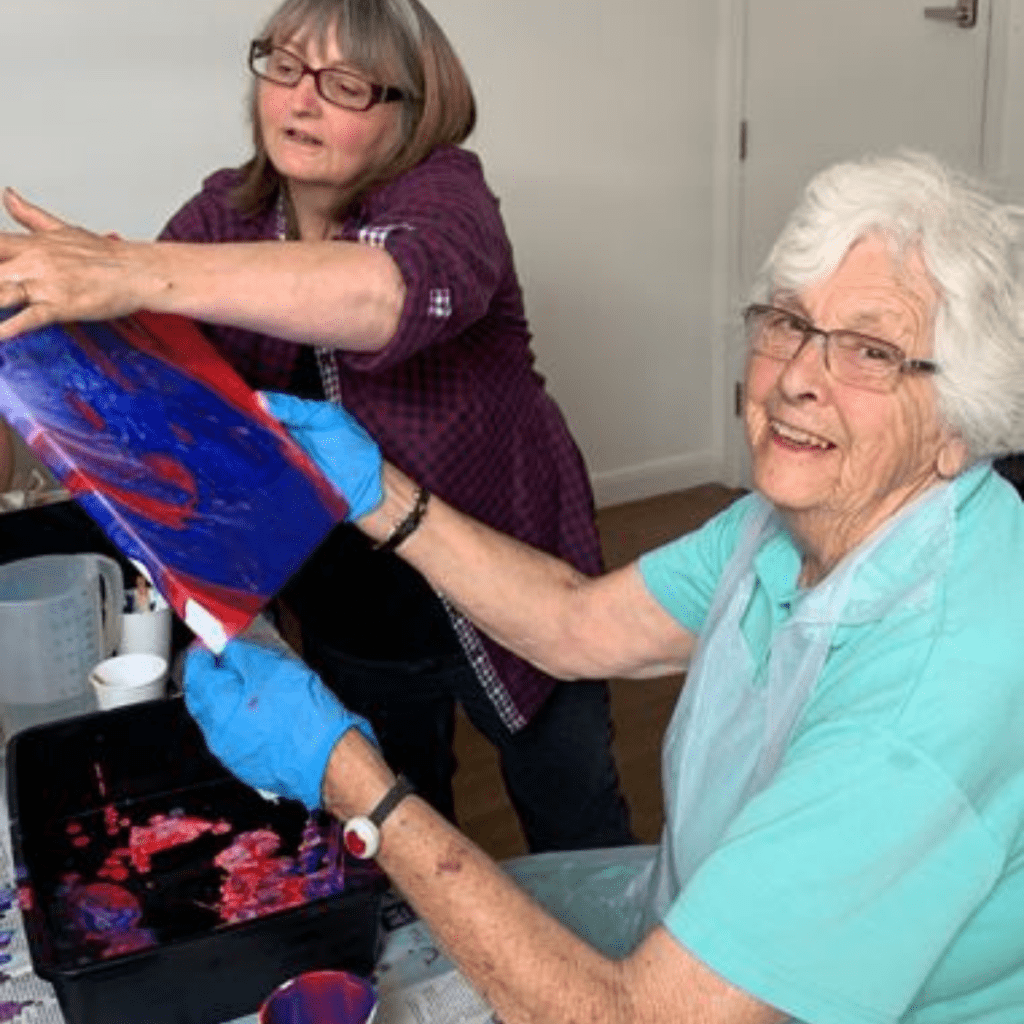
Image from Sussex Support Service to show projects supported by our donors
Art workshop at Sussex Support Service

We’ve been so fortunate to support local groups and charities that we might not have been aware of had it not been for Sussex Community Foundation’s grant process. The structure offered by the Foundation means that our funds are working harder. In the long term they can be used to support more great causes than would have been possible if we’d simply given the money directly to local groups. 

As fundholders, our continuing aspiration is to add to the fund when we can, securing this as a channel for our family’s philanthropic efforts in the communities where we live and work for many years to come.

Jeremy Field OBE, Co-Chief Executive at C.P.J. Field

Visit their website here

Read the story from one of the groups we support through the Field Family Fund:

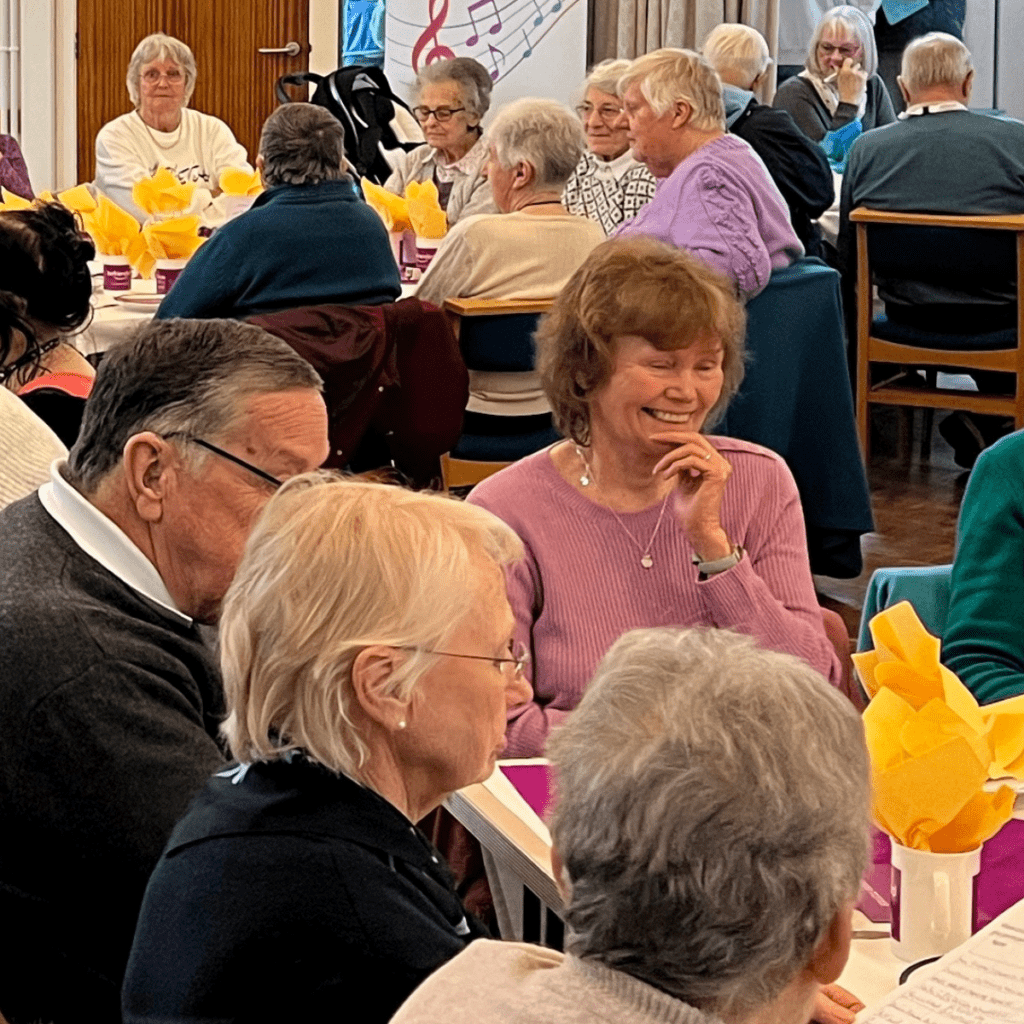
Befriended

Image courtesy of befriended

Find out more about charitable giving with Sussex Community Foundation or contact our Philanthropy team for an informal chat.

Skip to content