20 Years, 20 Voices: Carina Bauer

20 Years, 20 Voices celebrates the people, charities, donors and partners who have helped shape Sussex Community Foundation over the past two decades.

Carina Bauer, CEO of IMEX Group, established the Brighton & Hove Homelessness Fund at the Foundation in 2020, bringing together businesses, charities and local partners to tackle homelessness in a more strategic and collaborative way.

From funding research and strengthening partnerships to investing in projects that prevent homelessness and help people rebuild their lives, the fund has demonstrated the power of local philanthropy.

Focussing on homelessness

Carina Bauer and her colleagues at IMEX knew from the beginning they wanted to focus on supporting people experiencing homelessness in Brighton & Hove.

"We saw the problem of homelessness growing in the city," Carina says. “And we were already supporting charities like The Clock Tower Sanctuary, so we approached them to say, what could we do that's a bit more strategic?"

That conversation led to the creation of the Brighton & Hove Homelessness Fund.

"At the beginning, we offered to fund a project that brought together all the local research that had been done in different places," she explains.

The findings highlighted several priorities for the sector, including strengthening the Homelessness & Rough Sleeping Network (HRSN), which helps charities collaborate more effectively across Brighton & Hove.

"For us, that made complete sense," Carina says. "Our business is about bringing people together. We know collaboration works.”

Funding change

The research shaped the fund's approach, focusing investment on projects that could create lasting change rather than immediate crisis support alone.

"We decided we wanted to fund projects at two ends of the funnel - either preventative, stopping people from becoming homeless, or to help people get out of homelessness," she says.

Carina reveals that the most impactful work isn't always the most visible.

"Sometimes it's about research and data. Sometimes it's about planning a funding application for possible new homes, or a network. We put our funding into the types of projects which have more long-term aims."

A partnership built on trust

Carina credits Sussex Community Foundation with making the Brighton & Hove Homelessness Fund both practical and flexible.

"We had a good referral because it was somebody we trusted at the Council," she says. "I like the fact that the Foundation can be very flexible with the fund. We can shape the priorities we care about and stay involved in decisions, but we don't have to manage the administration, due diligence and impact measurement."

"I never wanted it to be a fund about IMEX and our business," Carina explains. "The longer-term idea is a fund that is self-perpetuating through multiple donors of people and businesses who are interested in supporting homelessness charities in the city."

Small changes that create lasting impact

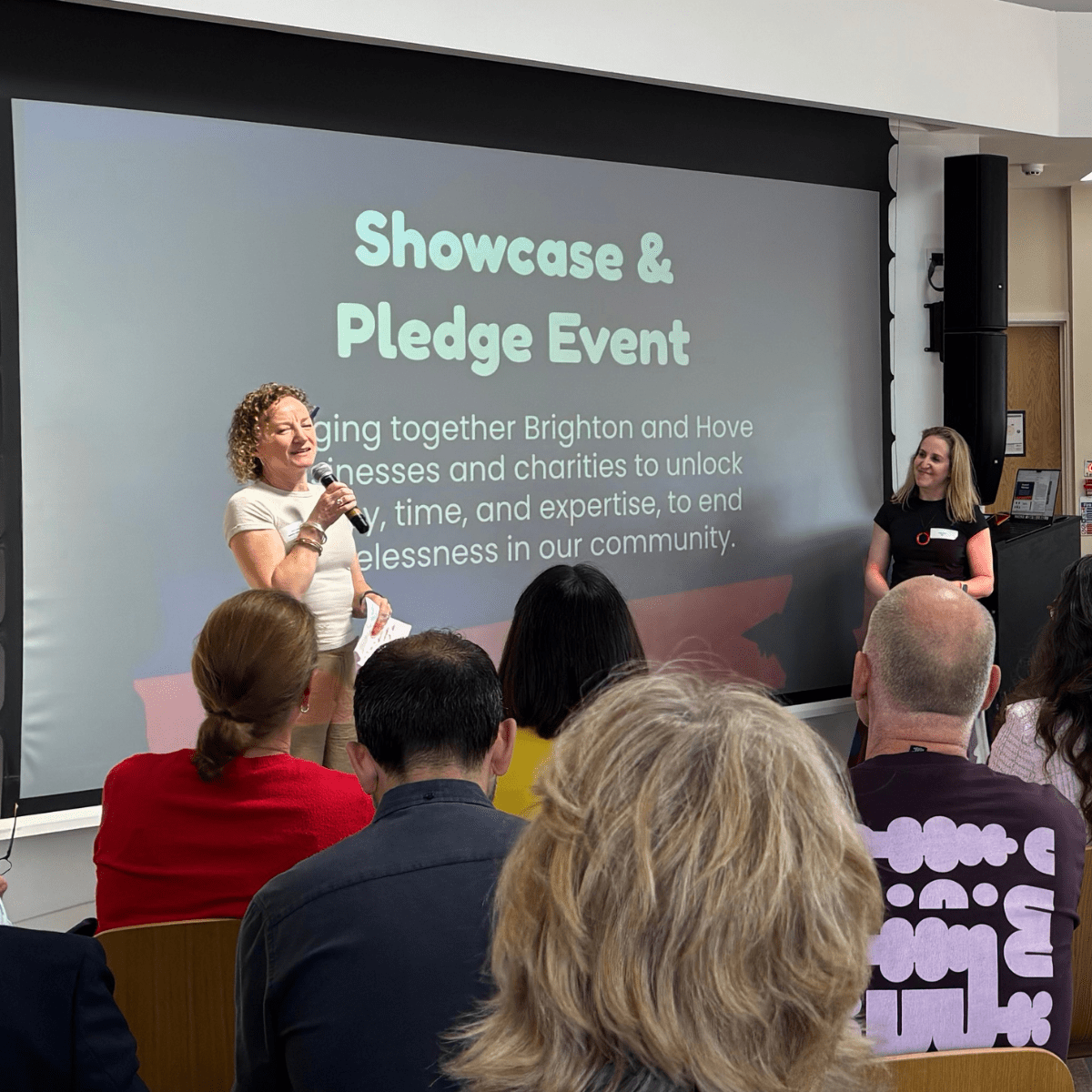
One recent highlight came at a partnership event where charities shared the impact of projects supported by the fund.

"When you look at the big picture, the statistics are so big and the issues are so complex," she says. "But then you fund a programme like SPARC delivered by Brighton Housing Trust, and you've helped eight people who’ve experienced homelessness get apprenticeships and develop their skills. It seems like a small number, but for those eight people, that's life changing."

The role businesses can play

Carina believes investing in local communities is a responsibility for businesses.

"I think it's a fundamental responsibility. If you are a business, you should invest back into the community where you're based."

She sees it as part of a long tradition of businesses contributing to the places where they operate.

"If you look at the businesses of old – Cadbury, Bournville, Rowntree, Wedgwood – all these old British businesses who built communities and built fantastic lives for the communities where their factories were."

Carina also wants businesses to know that giving locally is more accessible than many people realise.

"People sometimes assume you need to give hundreds of thousands of pounds to set up a fund, but that's not the case. Choose an issue you care about and start. Or join an existing fund if that makes more sense. You don't have to create something from scratch to make a real difference."

Looking ahead

Looking ahead, Carina hopes the fund will attract a more diverse group of supporters.

"I'd like us to attract a diversified group of funders, so that we can increase the amount in the fund," she says.

But it's about more than raising money. She hopes to build stronger links between businesses and charities, with companies sharing skills and expertise as well as funding.

"I think there are a lot of great people and businesses in Brighton that would like to do more for their community," she says. "It's just how do we match them and really get them working."

For Carina, the key is commitment.

"The effort for small and large charities to fundraise year to year, day to day, is enormous. If you can give some certainty to a charity, it means that they can do better work."

Her advice to anyone thinking about giving is simple:

"If you want to really make a difference in an area, you've got to do it over the long term. Pick your area and commit to it for a few years, rather than chopping and changing every year."

20 Years, 20 Voices: Hannah Powell

As we celebrate our 20th anniversary, 20 Years, 20 Voices spotlights the people, charities, donors and partners who have helped shape Sussex Community Foundation over the past two decades.

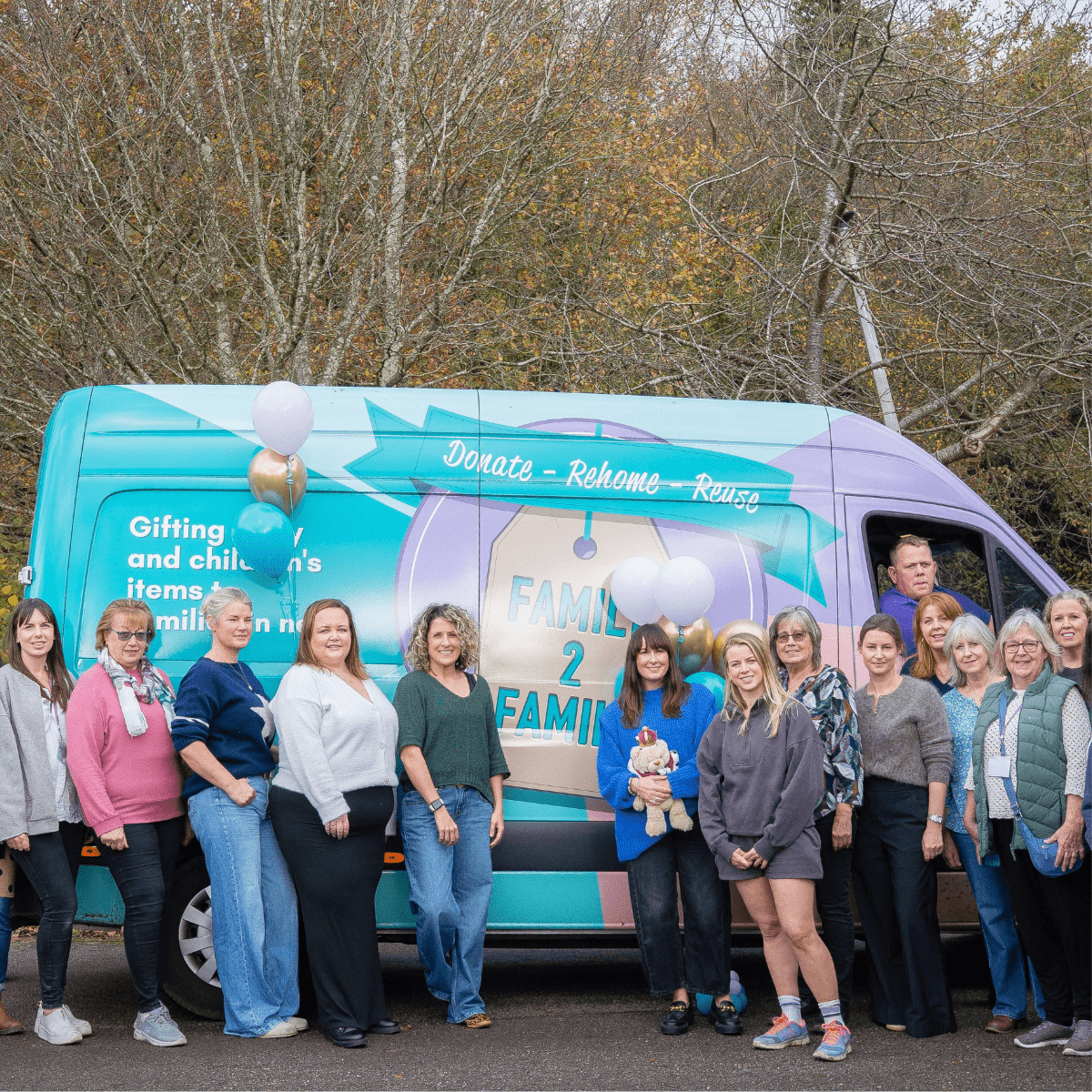
Hannah Powell founded Family2Family in 2018 to ensure children across East Sussex have the clothing and essential items they need. Since receiving its first Sussex Community Foundation grant in the charity's first year, Family2Family has grown from a baby bank run from Hannah's conservatory into a county-wide service, redistributing clothing, equipment and essentials to families through a network of professionals across East Sussex.

Inspired by lived experience

For Hannah, Family2Family grew from both her personal experience and her career as a social worker. She became a mum for the first time at 18 and remembers how much it meant to have family members who could pass on baby clothes and equipment.

"I had a really supportive family," she says. "I have a really vivid memory of my mum's cousin bringing lots of baby things to my parents' house and saying, 'Just take what you need.' I don't really know what I would have done if that hadn't been an option."

Years later, working in Children's Services across East Sussex, she met families facing similar situations but without that support network.

"I saw families experiencing poverty and not having access to the things I'd had access to. That really stayed with me."

When her son was born in 2018, the idea for Family2Family began to take shape.

"I looked around to see if there was somewhere I could pass on the things my baby had outgrown to families who needed them, but there wasn't really anything like that in East Sussex. It just seemed like a logical way to move things from homes where they're no longer needed, to homes where they are."

From a conservatory to a county-wide charity

Family2Family began with donated items stored in Hannah's conservatory before moving into a small room at a local tennis club.

The charity's first grant from Sussex Community Foundation helped pay for their first rented premises, giving them the space needed to grow. From there, demand increased naturally.

"We didn't need to push it," Hannah says. "People heard about it, they wanted to volunteer, and professionals started referring families to us."

Originally supporting children aged nought to two, the charity soon expanded as professionals asked whether older siblings could be helped too.

Today, Family2Family supports children and young people up to age 16, providing clothing, cots, beds, toys and other essential items through referrals from social workers, health visitors, midwives, schools and other frontline professionals.

Removing the barriers to asking for help

Families don't collect items directly from Family2Family. Instead, professionals deliver them.

For Hannah, that approach is fundamental.

"It removes the barriers around shame or asking for help," she explains. "People don't have to worry about bumping into someone they know or being identified."

But it also strengthens the relationship between families and the professionals supporting them.

"Professionals are often having really difficult conversations with families," she says. "Being able to come back with practical help shows they're doing their bit as well, and that can help build trust."

The impact often reaches much further than providing clothes or equipment. Hannah recalls receiving feedback about one family, where Family2Family formed part of the wider package of support, whose child protection plan was stepped down.

"If that ultimately means a child gets to stay with their family rather than going through court proceedings, that's massive."

Restoring dignity

Although Family2Family redistributes donated items, Hannah is passionate that every family should feel they are receiving a gift, not used items that no one else wants.

"One of the things that's really special about Family2Family is the feeling families have when they use our service," she says. "Our logo is a gift tag because it was always about creating that gifting experience."

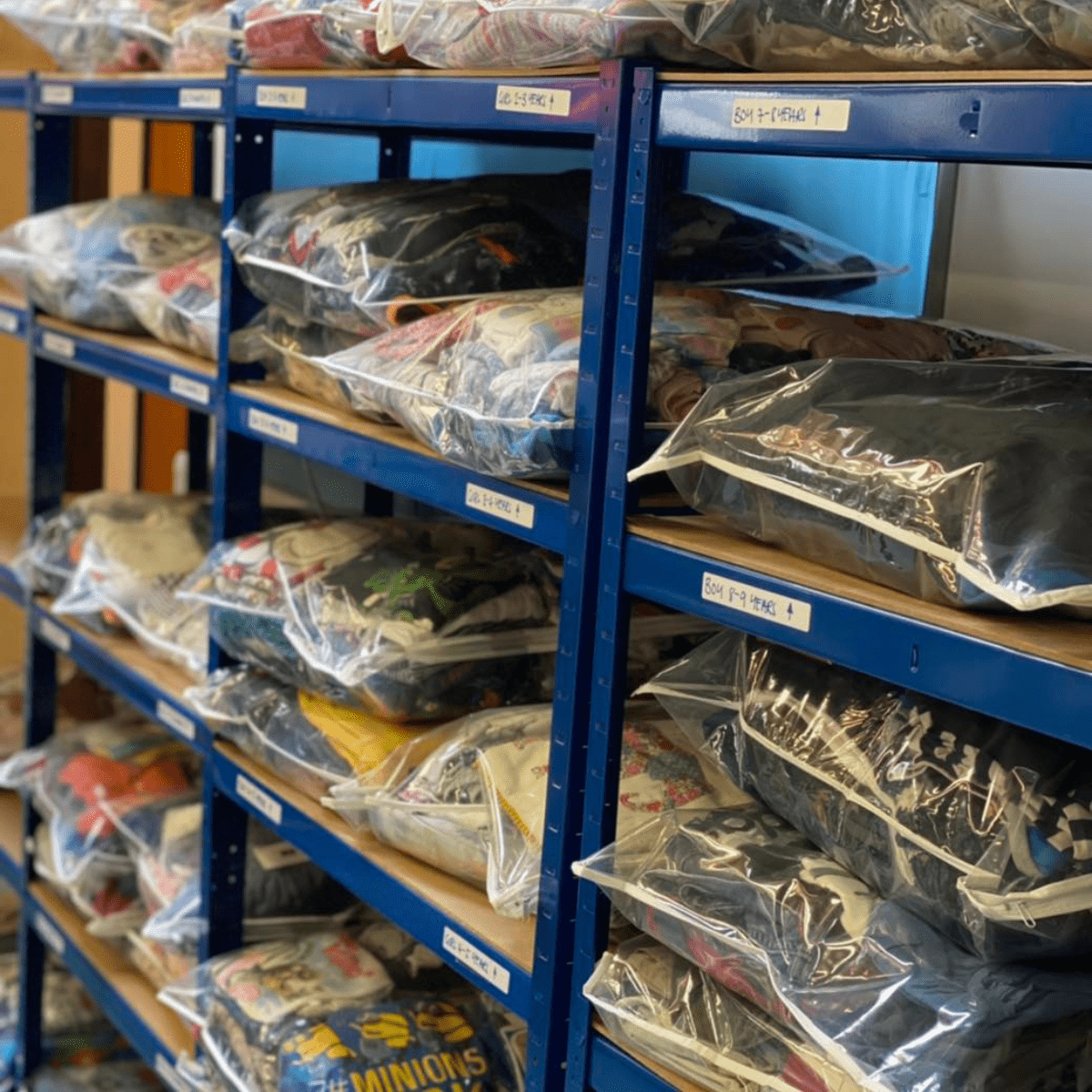
Every cot is carefully checked before being paired with a new mattress. Clothing is washed, folded and packed into reusable bags with stickers saying they have been "packed with love."

"I wanted families to feel they'd done the right thing by asking for help," Hannah explains. "Not that they'd just ended up with things other people didn't want."

She believes these details matter.

"The message is that people are worthy of that kind of time and support."

Growing alongside local need

Since launching, Family2Family has continued to evolve to meet changing needs.

Alongside its core service, the charity now provides new beds for children who would otherwise be sleeping on floors or sofas, and recently launched Family2Family Boutique, making high-quality second-hand baby clothes available to any family, regardless of income, while reducing waste (in exchange for optional donations).

At the same time, Hannah has seen demand increase as families struggle with the cost of living.

"Families are making choices between food, heating and clothes," she says. "We receive referrals for toys and books because there simply isn't any money left after paying for the essentials."

The value of long-term funding

Family2Family has received several grants from Sussex Community Foundation since 2018, supporting everything from premises costs to essential equipment during the pandemic.

For Hannah, flexible funding has been invaluable.

"A charity like this can't run without premises," she says. "Some funders won't cover core costs, but if you don't have the core costs covered, everything else can’t run."

She also values the encouragement that comes with receiving funding.

"When we get a grant, our trustees' WhatsApp group is full of celebrations. It gives you a lift. It feels like an acknowledgement that what you're doing is positive and valued."

Looking ahead

Eight years on, Hannah's ambition is simple.

"It's about making Family2Family a service that's there for as long as it's needed."

As Sussex Community Foundation celebrates its 20th anniversary, she also has a message for the donors and fundholders whose generosity has helped charities like hers grow.

"Please keep it going," she says. "The projects you're supporting really do hold up communities. Go and visit them if you can, because you'll get something from it too. It means a huge amount to the charities, and you can see for yourself the difference your support is making."

Reflections on twenty years of Sussex Community Foundation

As I prepare to hand over to the next Chief Executive, I reflect on a journey that has been humbling and inspiring. What began as a bold vision in 2004 has grown into a powerful force for good.

Where it all began

When he founded the charity, the 10th Duke of Richmond said “It is, in my view, a scandal that there are areas in Sussex which are in the bottom 20% of national measures of social deprivation. At the same time, when local people or companies think of giving to charity they tend to think of large national bodies, because little is known about the small community groups on their doorsteps,”

“Sussex Community Foundation has been set up to bridge this gap and to make it easy for local people and companies to give to local communities. The Foundation can make a significant difference to local quality of life. This is about local communities working together for the welfare of all for many years to come.”

That founding vision has guided everything we’ve done since. From day one, we aimed to inspire local giving to meet local needs, to give grants to address issues of today, while building an endowment to support communities of the future. At the heart of everything was a commitment to building lasting, open and trusting relationships with our donors and with communities.

Growing philanthropy for Sussex

The early years were shaped by remarkable generosity. Our founder donors believed in the idea before there was an office or any staff. Their support enabled me to begin in January 2006 as the Foundation’s first Chief Executive - an honour I have never taken for granted.

Over two decades, with the help of donors, partners, trustees, staff and hundreds of community organisations, we have built a home for philanthropy in Sussex.

We grew our endowment from the very first £1,000 gifts from the Lords Lieutenant of East & West Sussex to £28m today. The Government’s Grassroots Grants and Community First Endowment match challenges proved that endowment giving is attractive to the right donors.

We earned a reputation as a trusted, responsive and effective grant maker - and we demonstrated that philanthropy, when done thoughtfully, has the power to change lives at scale.

There have been major milestones along the way, substantial legacy gifts, transfers from dormant charities, and the creation of long-lasting funds like Rampion, Lawson Trust and Brighton & Hove Legacy Fund. These were the result of our relentless focus on patient relationship building and being ready to help at the right time for each donor. 

Responding when Sussex needed us most

Nothing demonstrated the power of that approach more than the Sussex Crisis Fund. When lockdown hit in 2020, our team moved with speed. Within days, we were giving out grants. Within weeks, we became a central channel for Covid‑19 emergency support in Sussex. What followed - an extraordinary doubling of our grants output - showcased the value of deep trust, strong local knowledge and being able to mobilise both immediate and long‑term funding.

That year reminded us that community foundations exist not just to respond to crises, but to help communities build the resilience to weather them.

Adapting, learning and looking ahead

Like many charities, we’ve faced challenges in recent years: a shifting economic landscape, reduced public funding, and more cautious corporate and individual giving.

Last year, we reorganised our team, aiming to continue growing sustainably, to deepen donor relationships and to champion the vital role of local communities in addressing inequality.

The launch of our Women & Girls Fund this month is a perfect symbol of that future: strategic, collaborative, rooted in local need, and focused on long‑term impact.

What matters most: community – and people!

Over twenty years, one belief has only grown stronger for me: small local charities and community groups are the bedrock of social change.

They have always been the heart of our mission. They empower people. They bring neighbours together. They make Sussex fairer, stronger and more equal. And they rely on the generosity and commitment of donors, businesses and charitable trusts who recognise that local giving transforms local lives.

We measure our outputs in big numbers - £28 million endowment, £38 million given in grants, 3,500 charities supported – but people are the real story. Every grant given goes to people who organise together to improve people’s lives, every pound given comes from an individual who cares about Sussex, and standing between is our amazing, committed and skilled team of staff and trustees.

A personal note of thanks

It has been the privilege of my professional life to help build Sussex Community Foundation. I’ve had the honour of working with extraordinary people who understand that philanthropy is about far more than money - it is about values, relationships and vision.

I hand over to the next Chief Executive confident that the spirit that created Sussex Community Foundation twenty years ago is alive and well: a belief that Sussex thrives when we all play a part.

To our donors: continue to give boldly, flexibly and with curiosity.

To our charity partners: continue to challenge us, guide us and trust us - we exist for you.

To the next Chief Executive and to everyone supporting the Foundation: nurture relationships, stay rooted in community, and keep the bridge strong between generosity and need.

The next twenty years hold extraordinary potential. I cannot wait to see what you will achieve together.

What modern philanthropy tells us – and why it matters here in Sussex

The latest research from The Beacon Collaborative and Barclays Private Bank makes for really interesting reading – shining some light (and some hard data!) on how people with significant resources are choosing to give, what motivates them, and what kind of support they need to maximise the impact of their giving.

Giving is growing - but donors want clarity and confidence

The research backs up what those of us in the philanthropy sector already know – there is a huge amount of generosity in our country, with 93% of the UK’s wealthiest individuals already giving to charity and contributing an estimated £11.4 billion in 2024. Yet the research also shows that many of these donors lack access to trusted, knowledgeable advice on how to give effectively and efficiently. For us at Sussex Community Foundation, this reinforces something we hear often: people want to help, but they don’t always know where their support will make the biggest difference.

Supporting philanthropy in Sussex

Here in Sussex, we’re proud to play a role as a local philanthropic partner. We help donors give with confidence that their resources are reaching grassroots organisations that are doing vital work – whether they are local food banks, mentoring for disadvantaged young people, singing groups which combat loneliness for older people, or providing vital support for disabled adults. We are in constant dialogue with people running local community groups, gathering insights to share with donors, so their giving is purposeful, not just well-intentioned. And we use the latest data, like our Sussex Uncovered reports, to highlight where the need is greatest.  

The role of professional advisors

Recent research from CAF, The Philanthropy Advantage, also shows that up to two-thirds of high-net-worth (HNW) giving happens without financial advice, and only around a third of HNW donors have talked about the tax efficiency of their giving in the past two years. This suggests that a significant portion of charitable giving could be even more effective with the right guidance.

Advisors play a crucial role. 81% of wealthy donors believe professional advisors should proactively raise philanthropy as part of wider financial planning. It’s encouraging to see this recognised, because values-led giving isn’t separate from the decisions people make about their wealth – it’s often central to them.

That’s why the Foundation invests so much time in working with financial planners, solicitors and accountants across Sussex. We help advisors introduce their clients to meaningful, place-based giving opportunities, whether that’s through a legacy, a Donor Advised Fund, or long-term endowment giving. Over the last few years, we’ve seen this network grow significantly. Advisors tell us they value having a trusted, local partner they can turn to, and donors tell us they value the opportunity to invest in the place they call home.

A hopeful future for giving

The most hopeful message in the research is this: people want their giving to be more thoughtful, more strategic and more connected to their values. And they are looking for guidance. That presents a huge opportunity, not just for donors and advisors, but for communities across Sussex.

Connecting people and place

At the Foundation, we’ll continue to bring inspirational people together to create the change Sussex needs. If you’re an advisor who’d like to understand more about how we can support your conversations with clients, we’d love to speak with you. The more we connect people who want to help with the organisations delivering real change, the stronger our county becomes.

100 Days in: what I’ve learned as Head of Philanthropy at Sussex Community Foundation 

When I saw the role of Head of Philanthropy at Sussex Community Foundation being advertised, I’ll admit - despite working for over 20 years with small charities and non-profits, I didn’t really know what a Community Foundation was. I certainly didn’t know the huge impact they have. But I do now. 

In just 100 days, I’ve been blown away by the powerful work happening at a very local level - work that is often unseen but completely vital. Community Foundations like ours are uniquely placed to connect those who want to give with the local charities who are working tirelessly to support our communities. And Sussex Community Foundation is doing that every single day. 

Over these past few months, I’ve had the privilege of meeting some of our existing fundholders as well as individuals who are intending to set up new funds with us in the future. These are people who care deeply about Sussex and the issues that exist on their doorsteps. They want to make a meaningful difference in their communities - and working with the Foundation allows them to do that in a structured and informed way. Our recent event held at the House of Lords was a fabulous opportunity to have many of these people in a room together and celebrate the impact of their charitable giving.   

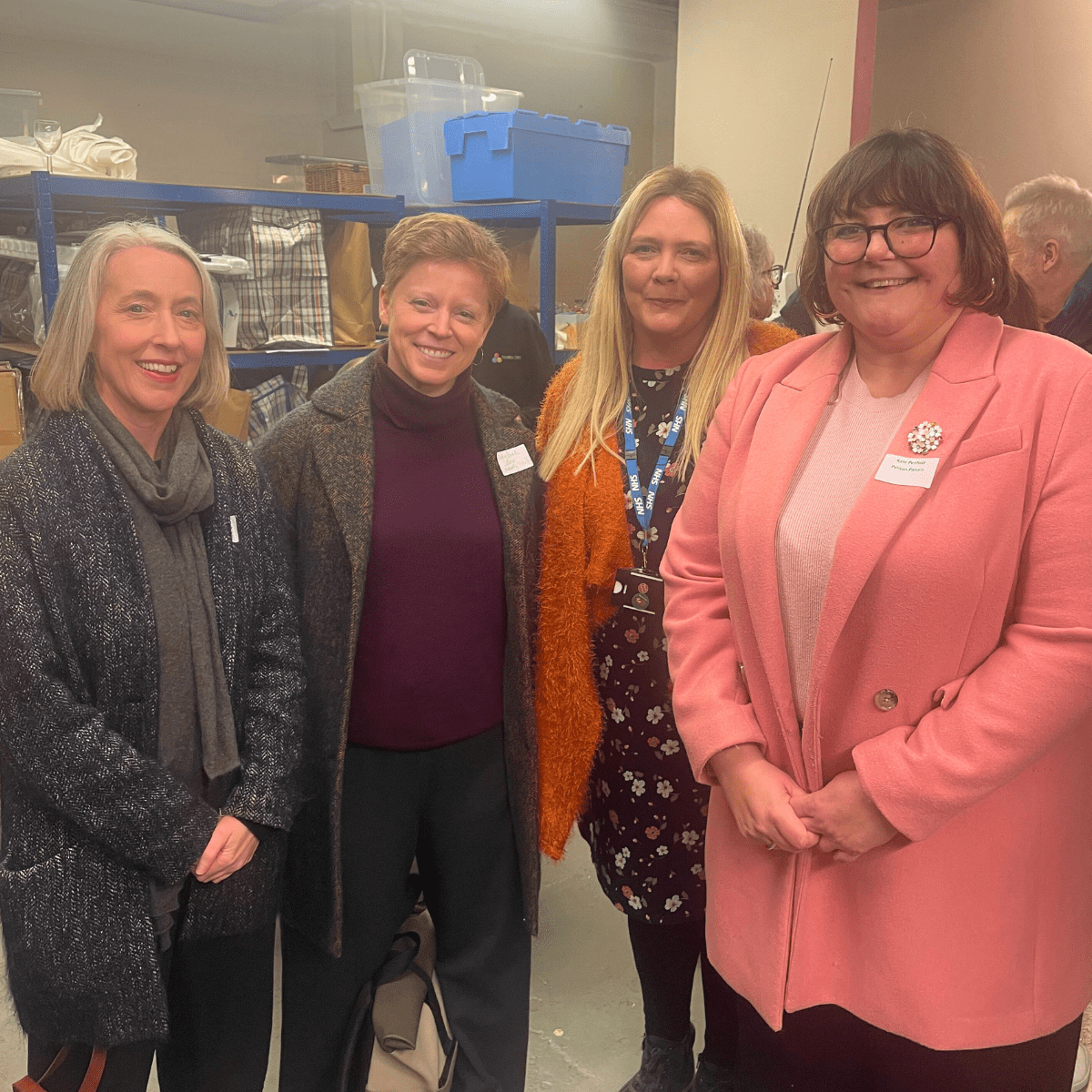
I’ve also been out meeting some of the small local charities we support, including Pelican Parcels (pictured), to see the essential services they provide for some of the most vulnerable people across Sussex. Hearing their stories, understanding their challenges, and seeing their impact first hand has been one of the most meaningful parts of my experience so far. As a former CEO of a small charity myself, I really appreciate how difficult it can be to balance the frontline work with the fundraising necessary to keep going. I’m delighted to be playing a part in encouraging local charitable giving so that these organisations receive the support they desperately need.

I’ve also had the chance to connect with key local stakeholders, such as the MP for Lewes, James MacCleary, and Cllr Lesley Boniface to talk about how we’re supporting the voluntary sector in the area. These conversations reinforce the importance of our role in building bridges between donors, charities, and local government – which is more important than ever in the context of changing local government structures in Sussex.  

Another highlight of the past 100 days was an awayday hosted by the London Community Foundation, where I joined colleagues from five other Community Foundations to share best practice and fresh ideas. The UK Community Foundations network consists of 47 Foundations spanning the whole country, collectively making us the fourth largest funder in the UK. This local expertise combined with national impact is truly awesome, and I’m looking forward to more collaboration opportunities with my colleagues across the network.  

And at the heart of all of this? Relationships. Whether it’s with donors, grantees, colleagues, partners, or other Community Foundations, this role is all about making connections. I feel incredibly fortunate to be working with such a brilliant and committed team at Sussex Community Foundation. Every person here brings heart and dedication to what they do, and I’ve loved getting to know them. 

Looking ahead, the next few months bring exciting opportunities as we do some fresh thinking around our grant-making and introduce new systems to support our work right across the organisation. Despite all the current economic challenges, it feels like we’re at a moment of growth and momentum - and I’m thrilled to be part of it. 

Meet our fundholders: Jeremy Field OBE, C.P.J. Field

In this blog, we meet one of our fundholders who has supported us through the years. Jeremy Field OBE, Co-Chief Executive at C.P.J. Field, writes about his experience as a fundholder at the Foundation.

My family has owned and managed C.P.J. Field funeral directors for 10 generations since 1690. We have always believed in playing an active role in our local community, and both my parents were very active supporters of charities. My mother, Christine, was a district and county councillor and deputy leader of West Sussex County Council. My father, Colin, was High Sheriff of in March 2008 and was subsequently made a Deputy Lieutenant.

In these roles my parents were involved in the formation of Sussex Community Foundation, attracted by the Foundation’s mission to be a lasting resource for local charities.

They were also keen to involve us, their children (Charlie, Emily and myself), in the Fund as the next generation of Fields who now run the business.

By becoming a fundholder and setting up a family endowment fund back in 2008, my family wanted to demonstrate our company’s lasting commitment to Sussex, as well as supporting inspiring local charities. Match funding from the Government’s Grassroots Endowment Challenge was an added incentive.

Over the years, the Field Family Fund has given out 44 grants across Sussex of over £138,000, and the capital is still worth £210,000.

Aims and objectives of the fund

Through our fund we aim to provide support for:

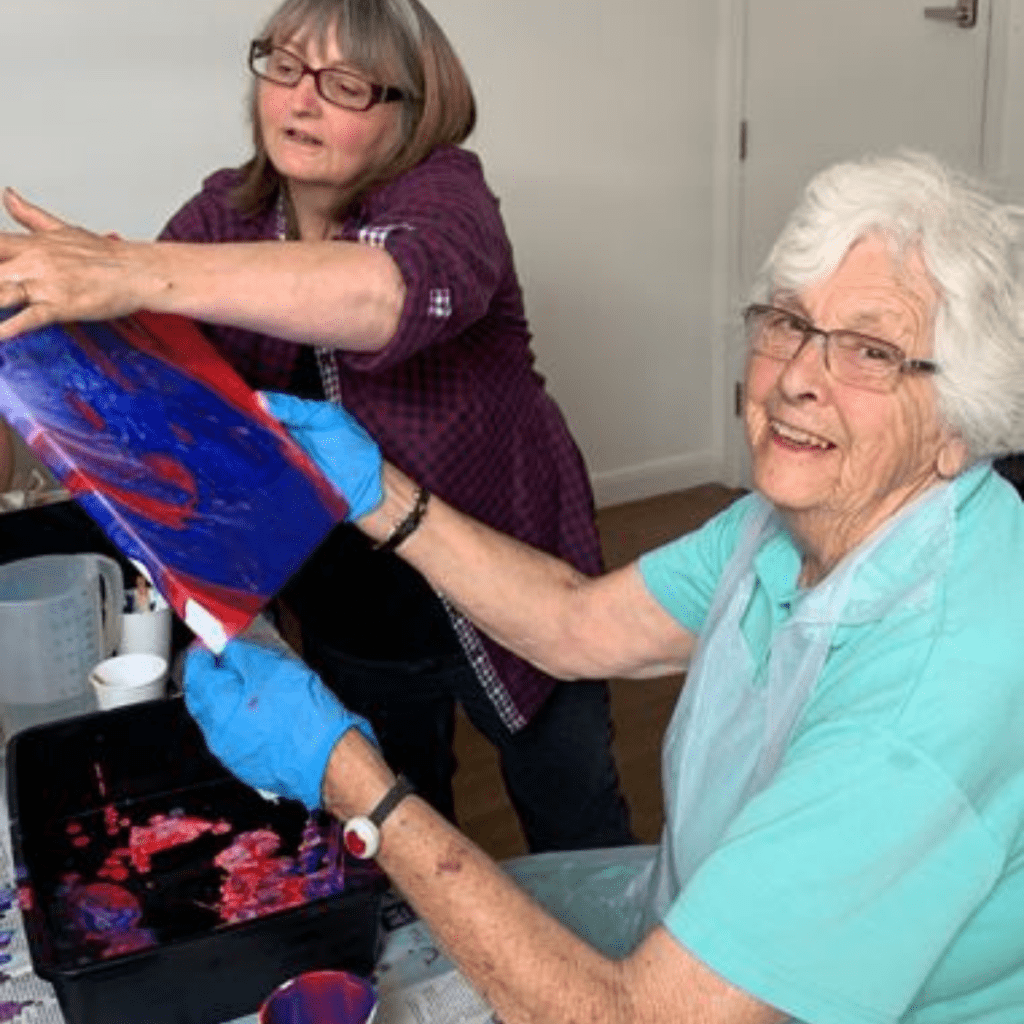
Image from Sussex Support Service to show projects supported by our donors
Art workshop at Sussex Support Service

We’ve been so fortunate to support local groups and charities that we might not have been aware of had it not been for Sussex Community Foundation’s grant process. The structure offered by the Foundation means that our funds are working harder. In the long term they can be used to support more great causes than would have been possible if we’d simply given the money directly to local groups. 

As fundholders, our continuing aspiration is to add to the fund when we can, securing this as a channel for our family’s philanthropic efforts in the communities where we live and work for many years to come.

Jeremy Field OBE, Co-Chief Executive at C.P.J. Field

Visit their website here

Read the story from one of the groups we support through the Field Family Fund:

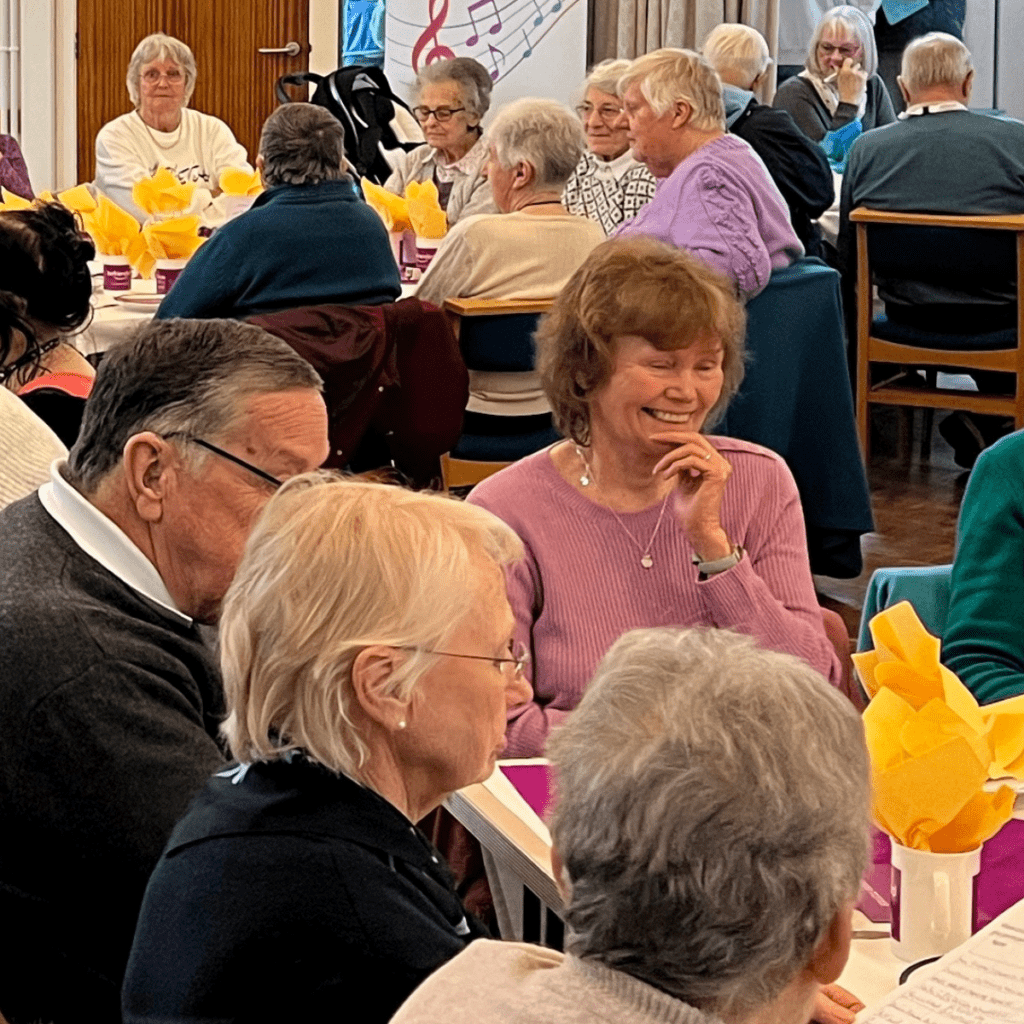
Befriended

Image courtesy of befriended

Find out more about charitable giving with Sussex Community Foundation or contact our Philanthropy team for an informal chat.

One year in: trustee Deirdre's perspective on joining the Foundation

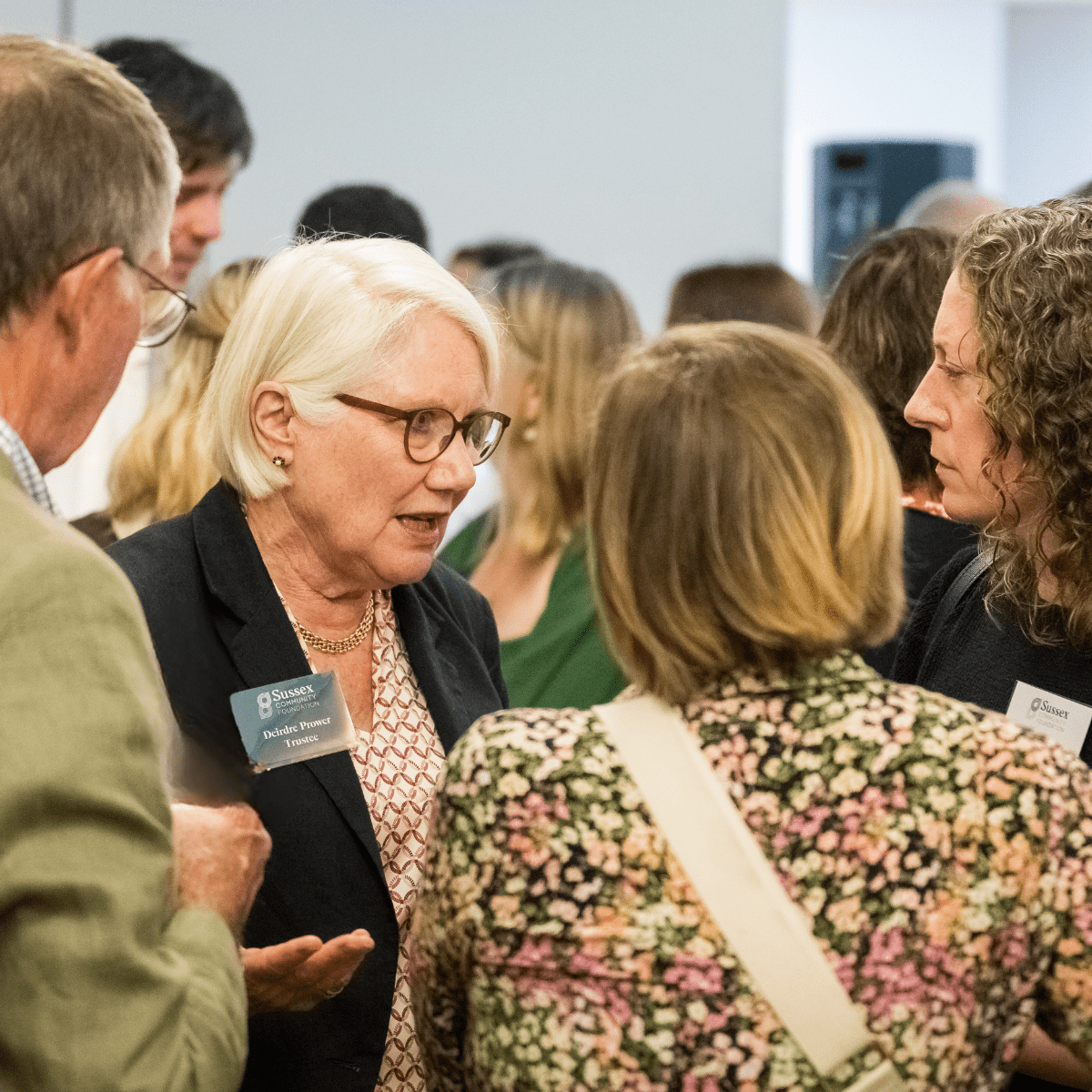
Deirdre Prower joined the Foundation as a trustee in 2023. This Trustees Week she tells us about her position, one year into the role.

I was delighted to be asked to join Sussex Community Foundation as a trustee last year. One year on, I am just beginning to understand how much work is involved in what the Foundation strives to achieve. I am in awe of the commitment of the staff who work here. They engage with donors, local partners, and individuals to make their philanthropy a reality. They encourage the voluntary sector in Sussex and support a diverse number of small charities to make grant applications. This means that an enormous amount of work is done looking at funding priorities, making evidence-based decisions around the grant making process and finding the funds to support all this.

Why did you become a trustee at the Foundation?

I felt that becoming a trustee gave me an opportunity to put the knowledge of thirty years working in the local health service to best use. I believe in the Foundation’s mission and have seen firsthand the important contribution the voluntary sector makes to local communities. With the pressure on our public services greater than ever, this contribution is vital to meet the diversity of need in Sussex. Small local charities are quick to see an opportunity to support people and fill the gaps in local provision, from children to older people and so much more - there is much we can do!

What experiences do you have of being a trustee?

As well as my primary care nursing background, I have been a trustee at a Sussex Hospice and I am a governor at Chailey Heritage Foundation. Both these roles have given me insight into the running and support that is required to nurture the development of a charity, in this case, Sussex Community Foundation.

What do you enjoy about being a trustee?

I enjoy working with a diverse group of professional trustees and staff who are committed to making Sussex a fairer place to live. There is so much to learn, for example: obtaining insight into the changing challenges facing our local communities or sitting on the grants committee and witnessing the variety of applications the Foundation receives. I also enjoy being able to meet and talk to the funded charities themselves. It is rewarding to feel that as a trustee I can make a contribution… albeit small!

What are your responsibilities as a trustee at Sussex Community Foundation?

As well as attending the quarterly Trustee Board meetings, I sit on the Grants and the Audit & Risk committees. In addition to these commitments, I regularly meet with fellow trustees and the senior management team to oversee the running of the charity.

I also represent the Foundation on the East Brighton Trust and the Lewes Fund, including attending grants decision panels.  

"All charities are different but there are some common themes which help me contribute to the governance of the Foundation. As trustees, we are responsible for ensuring that the Foundation is financially sound, well-run and meets its charitable purpose. In meeting these obligations, I see my role as being a supportive friend who offers constructive challenge."

Deirdre Prower, trustee
What does a day in the life of a trustee at the Foundation look like?

My day might be reading and preparing for committee or board meetings. I can visit charities, advocate for the Foundation with potential donors or represent us at various events - no two days are ever the same!

What advice would you give others thinking of becoming a trustee?

Go for it! The rewards are worth it.