20 Years, 20 Voices celebrates the people, charities, donors and partners who have helped shape Sussex Community Foundation over the past two decades.
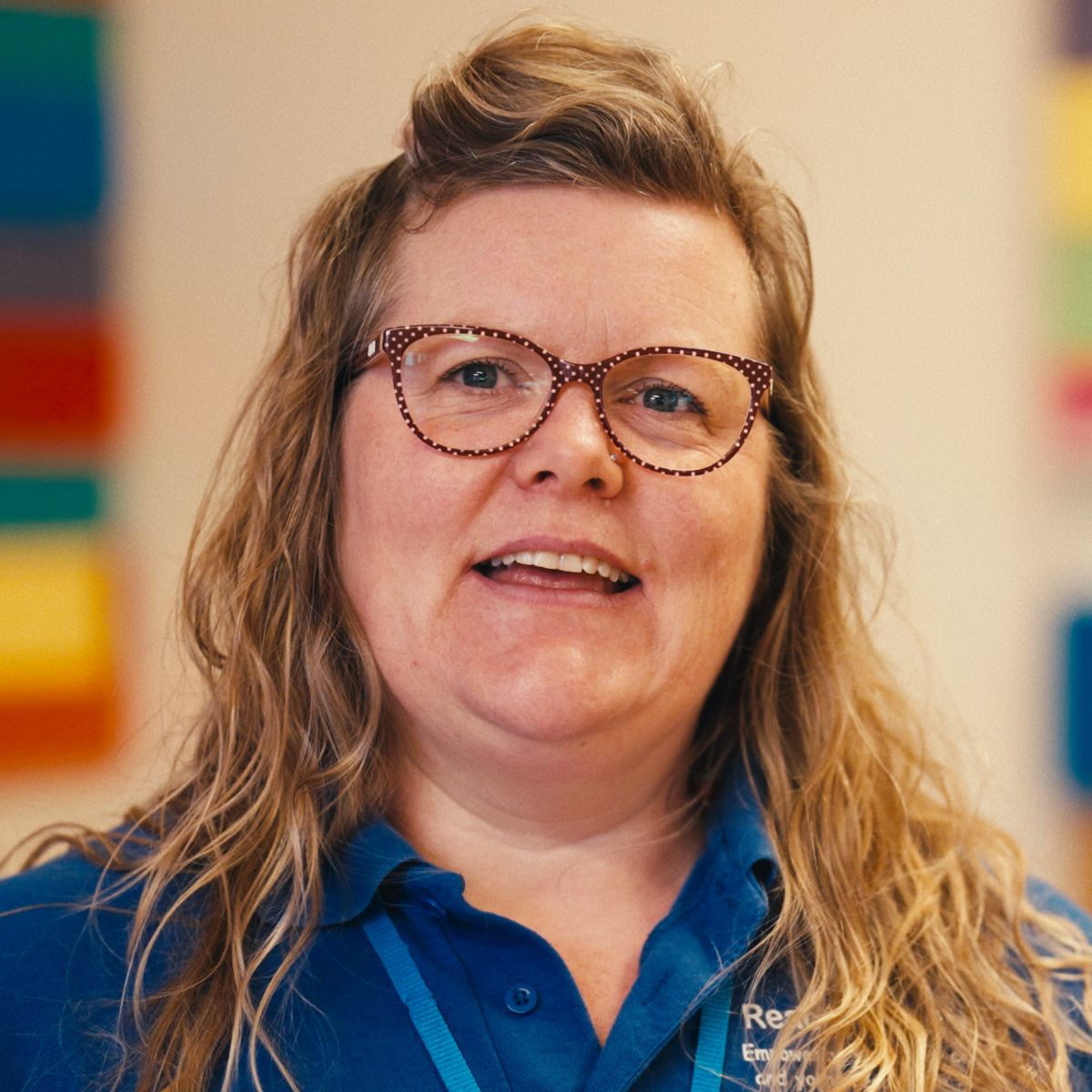
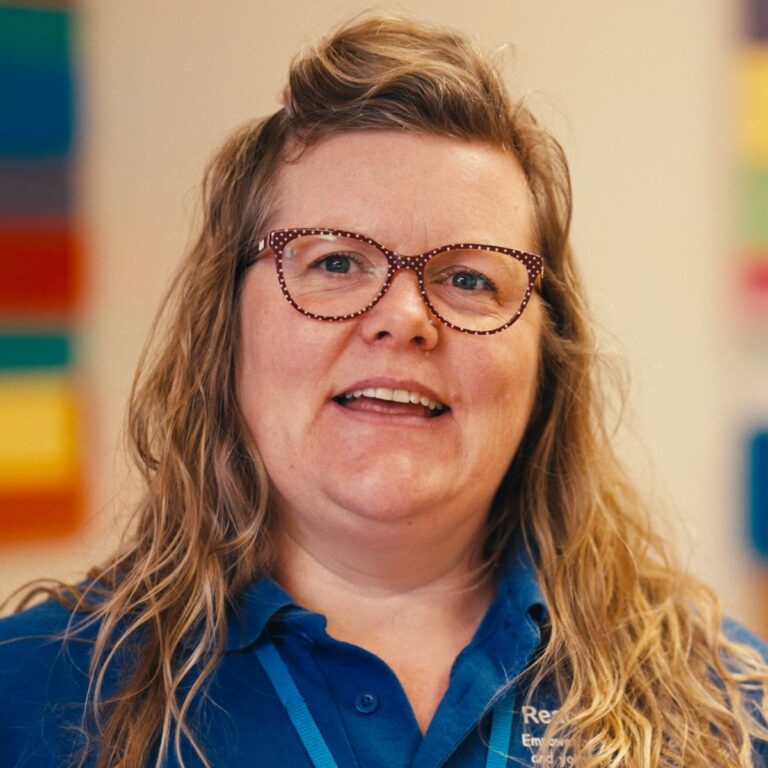
Hannah Delmar-Addy is the Outreach and Training Manager at Reaching Families, which received its very first grant from any funder from Sussex Community Foundation, of £750 in 2008. Since then, the charity has grown from running parent workshops in Worthing to supporting families across West Sussex through providing support groups, befriending, information, training, and benefits advice.
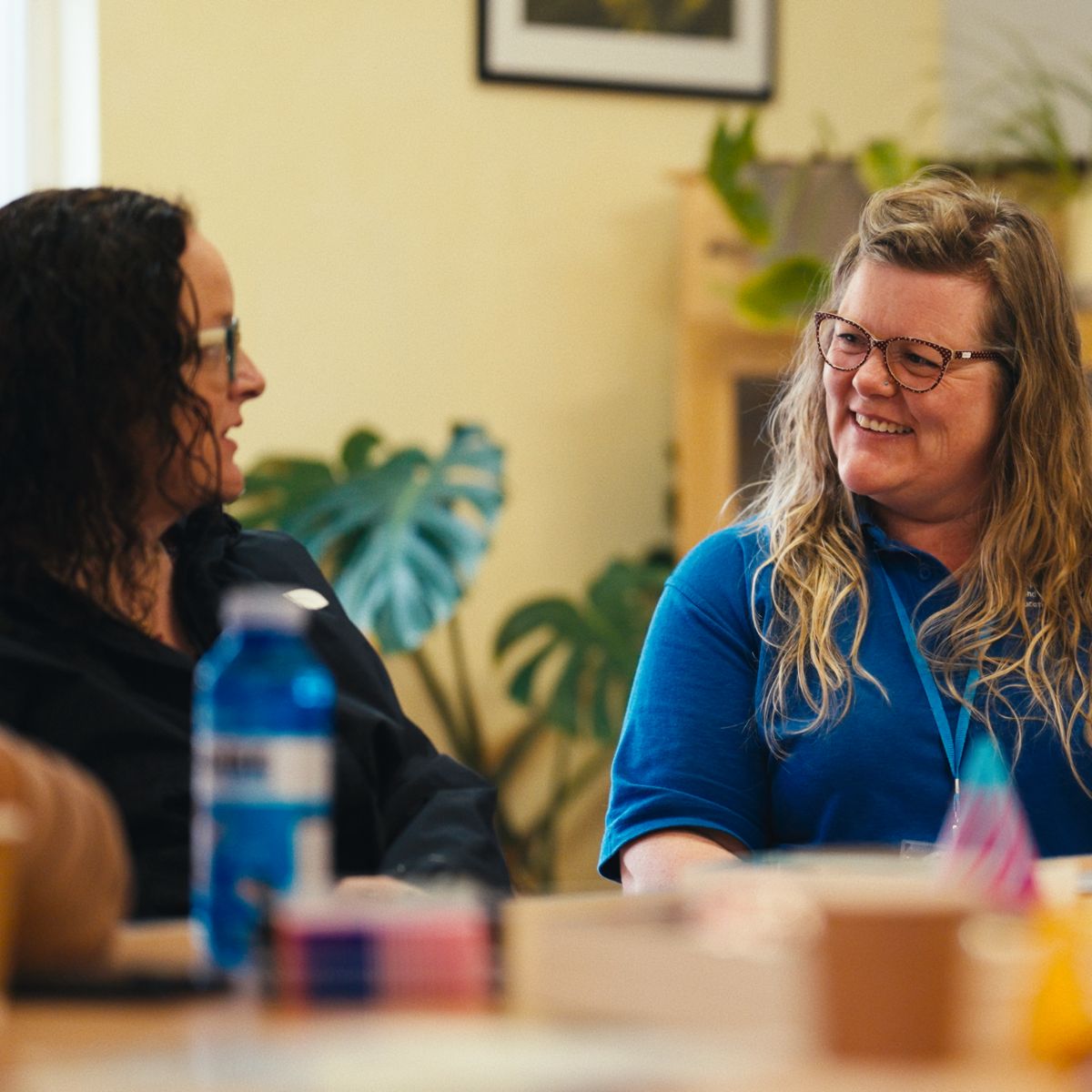
Reaching Families is a peer led charity supporting families of children and young people with special educational needs and disabilities (SEND) in West Sussex. For Outreach and Training Manager Hannah Delmar-Addy, this mission is deeply personal and lived across the whole organisation.
“Everyone that works within the team has lived experience in some way, with most members of staff being parent carers themselves,” she explains. “We live and breathe it every day. There’s a real awareness and understanding of what it’s like to be a parent carer, and that shapes how we support families who come through the door.”
Hannah has been with Reaching Families for over seven years and leads on their Umbrella support groups and the organisation’s training programme for parents and carers, much of which is delivered online. She also heads up the team supporting families whose children are on the NHS pathway for ADHD and Autism assessment, providing vital “while you wait” support during what can often be a long and uncertain process.
A key part of support is helping families move from confusion and isolation to confidence and connection.
“One of the things we offer is our foundation course,” says Hannah. “It gives parents foundational knowledge about what they might need to know on their journey. We realised there was so much information out there that it could feel overwhelming, so we created something more accessible.”
Delivered over two days or a series of evenings, the course helps parents understand key processes such as Education, Health and Care Plans and assessment pathways, while also creating space to meet others in similar situations.
“What we see is families building networks of support,” Hannah explains. “They connect with people who understand their lived experience. That becomes just as important as the information they’re receiving.”
Those connections often last well beyond the course itself, forming informal support systems that parents can turn to each day.
“That’s really important,” she adds. “Because we might see families at a group once a month, but life is happening every day in between. It’s about building that wider circle of support.”
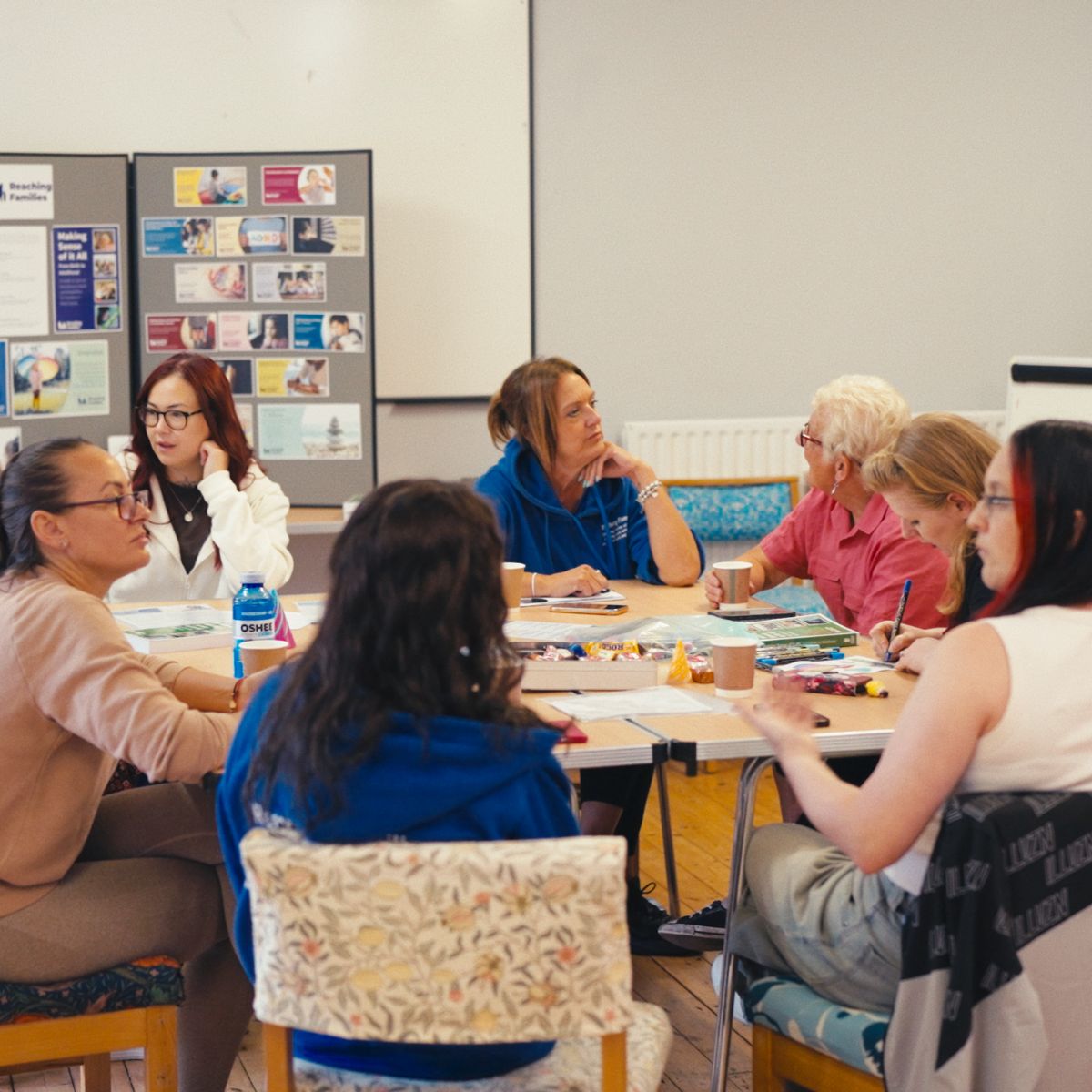
The need for that support is significant. Families often arrive feeling overwhelmed, unsure where to turn, and uncertain which information they can trust.
“It varies for every family, but a large percentage feel overwhelmed,” Hannah says. “They don’t know where to turn or what information to trust. We’re very much that first point of contact – helping them navigate what’s out there and signposting them to support they can rely on.”
Since Hannah joined the organisation, Reaching Families has grown significantly. What began with just three local support groups now includes six in-person groups across West Sussex, alongside a growing online offer that has made services more accessible for working parents and families who cannot travel.
Like many organisations, the pandemic accelerated that shift.
“Covid pushed us to move online very quickly,” she says. “But it actually showed us how accessible that could be. Parents don’t have to worry about school runs or travel – they can access support in a way that fits their lives. So we kept it.”
Alongside this growth, the charity has developed new services including an ND (Neurodevelopmental) navigation service for families waiting for diagnosis, and a benefits advice service that has helped families access significant financial support.
“Last year, we helped raise about £3.2 million for families through supporting them to access benefits like DLA, PIP and Carer’s Allowance,” Hannah explains. “That comes from one-to-one support and making sure applications are as strong as they can be before submission.”
Funding, she says, is essential.
“If we didn’t have funding, we wouldn’t be here. We offer all our services to families for free, and that's incredibly important because many are on low incomes. Funding allows us to expand our reach and make sure support is accessible to those who need it most."
Sussex Community Foundation has been part of that journey from the very beginning.
“Sussex Community Foundation has been alongside us right from the concept of Reaching Families through to where we are today.” says Hannah. “Without them, it wouldn’t be possible to do what we do. Fundraising has become increasingly challenging over the years, particularly with the impact of local government cuts and growing competition for funding. That makes the Foundation’s continued support even more valuable, giving us the confidence and stability to keep helping families when they need us most.”
Asked what keeps her going in such emotionally demanding work, Hannah is honest about the challenges.
“The hardest part is that we can’t fix everything,” she says. “There’s always more need than we can meet, and that can feel overwhelming. You meet families later in their journey and think, ‘we wish we’d known of you sooner.’”
But it’s the moments of connection that stay with her.
“Recently, a parent in our support group felt really isolated and braved coming back after a couple of years. They came through the doors feeling really vulnerable and just didn't feel like they fitted anywhere. They connected with another parent and agreed to meet outside of the group. For that one person, now their world feels like things are more possible”
Looking ahead, Hannah hopes the organisation will continue to evolve with the needs of families.
“I’m so proud to be part of a charity that makes such a difference,” she says. “We just want to keep listening, keep adapting, and keep finding ways to meet need as it changes. If we can do that, we’ll be doing our job.”




Subscribe to our newsletter.
"*" indicates required fields