Alistair Wickens, Founder of Impactology, reflects on the quiet identity crisis that follows a business exit, and how philanthropy can become a meaningful second act.
Here's a pattern I keep seeing.
Someone sells their business for £40 million. The deal closes. Six months later, they're sitting in a financial adviser's office asking about Donor Advised Funds and legacy planning. And they can't decide on a single cause to support.
On the surface, this looks like someone being thoughtful. Doing their research. Not rushing into anything.
But watch what happens next. They attend charity events. They read impact reports. They create spreadsheets comparing causes. And then... nothing. Months pass. They're still researching.
This isn't indecision. It's something else entirely.
For 20 years, they were the CEO. The Founder. The Managing Director. That wasn't a job title; that was who they were. The alarm went off at 6am because there was a reason to get up. Identity was wrapped around the role, the company, the thing they'd built.
Then the deal closed.
The diary's empty. The title's gone. And somewhere along the way — and I speak from experience here — they got convinced that the title was them. That without it, they're just someone with money and no particular reason to exist.
Now they're standing in a room with no reflection. Financially free. Technically winning. And absolutely unsure who they are without the badge.
This is the quiet crisis nobody names. Because high achievers don't admit to identity loss — it sounds too much like a mid-life cliché, and most of us have spent our careers being serious people who don't have clichés. So we describe it as "exploring options." We make it sound strategic.
What they’re experiencing is freefall with a very good severance package.
Someone asks: "What are you passionate about?"
And the honest answer — the one that doesn't get said out loud — is: "I have absolutely no idea anymore."
Because passion was quarterly targets. Identity was the business. Strip that away, and "what matters to you" lands in a void so large you could fit an entire Donor Advised Fund inside it and still have room for a small yacht.
This is why post-exit philanthropic conversations stall. Not because people don't want to give. But because they're trying to solve an identity problem with a cheque-writing exercise. Those two things have never mapped.
Most of us spend decades being brilliant at solving problems other people define. The market's problem. The board's problem. The investor's problem. Philanthropy requires something different: defining your own question.
That's a skill most of us never developed.
Not more causes to consider. But philanthropy designed as legacy — something you're building, not just funding.
A Donor Advised Fund can scatter money across worthy causes. Perfectly respectable. Tax-efficient. Or it can be the foundation for creating something that compounds, grows, outlasts the initial gift. Where capital, capability, and conviction align to create change that multiplies, not just adds.
The people I've seen navigate this well (and I'm still figuring this out myself) aren't the ones who gave to the most charities. They're the ones who structured their giving around a Second Act. Philanthropy with an impact thesis behind it. Something they're building that might actually outlast them.
Because here's the uncomfortable bit: most of us don't want to just give money. We want to build something that matters. And if the philanthropy isn't structured around that, it's expensive busy-work that looks impressive on paper and feels hollow at 3am.
The ones who thrive post-exit aren't the ones who gave the most money.
They're the ones who built a Second Act that turned giving into legacy.
—
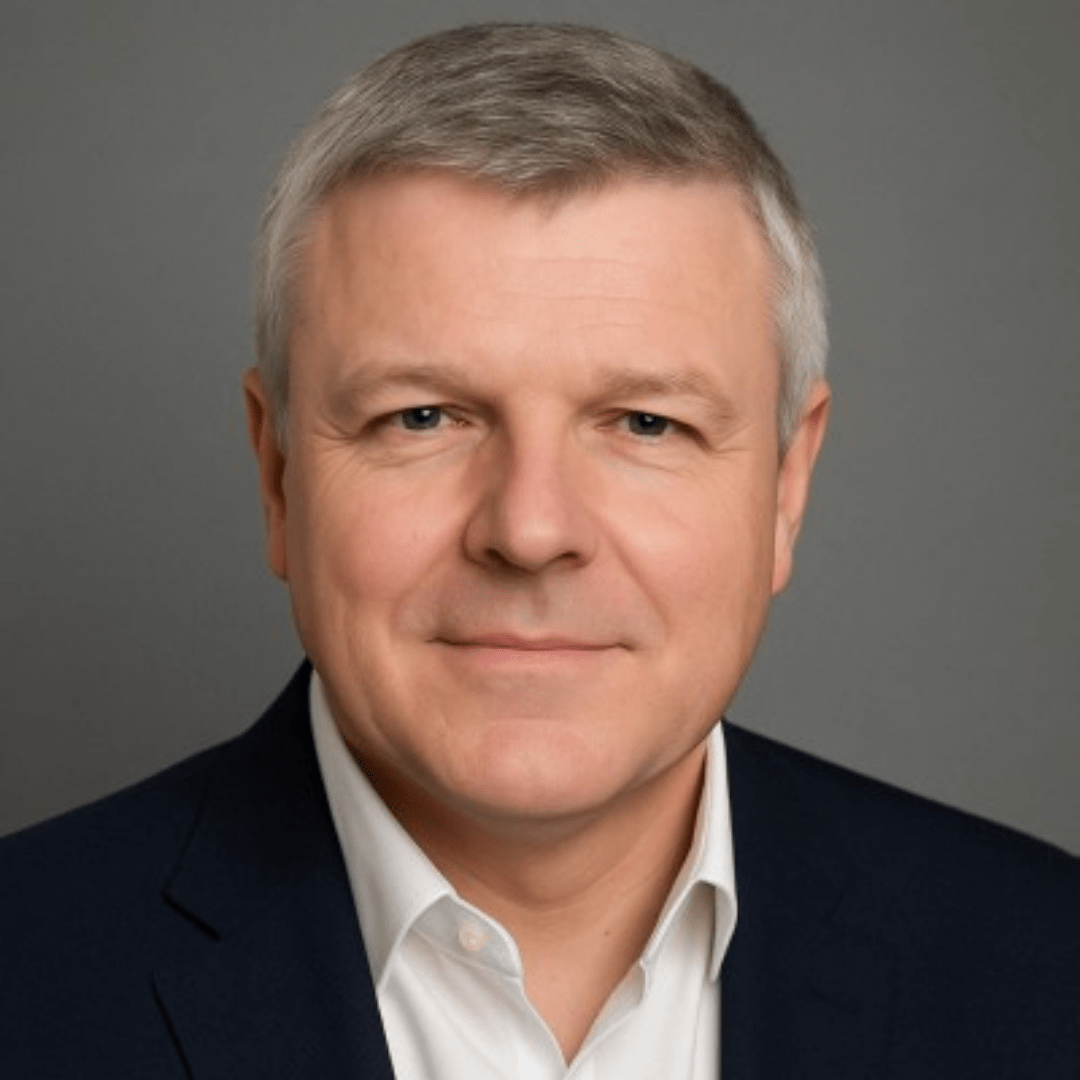
Alistair Wickens is the founder of Impactology and author of The View from the Wrong Mountain (publishing 2026), which explores post-exit identity, the hollow victory problem, and how high achievers design Second Acts that create multiplicative impact.




Subscribe to our newsletter.
"*" indicates required fields